
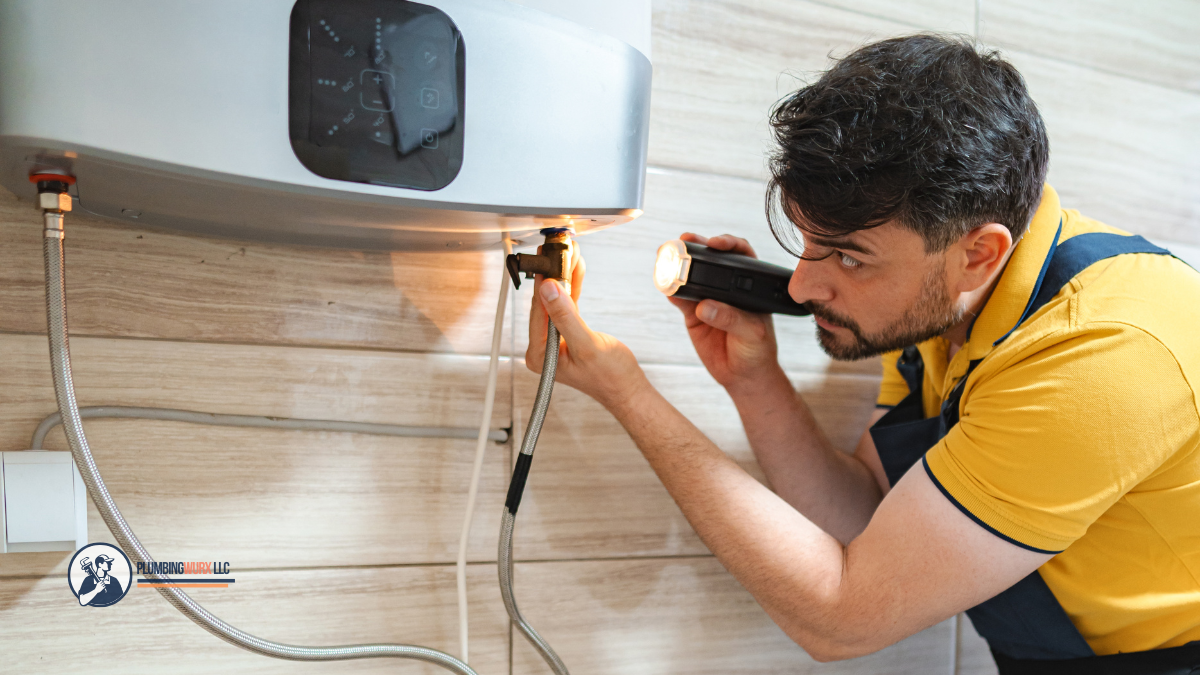
Nothing ruins a morning faster than stepping into a shower that doesn’t quite warm up. If your water heater is running but the hot water just isn’t hot, the problem is often hiding in one small but critical component: the thermostat.
A faulty or miscalibrated water heater thermostat can leave you with lukewarm showers, inconsistent water temperatures, or hot water that runs out far too quickly. The good news? This is a common issue, and one our expert team at PlumbingWurx diagnoses and repairs every day. Our professional repairs can restore reliable, properly heated water to your home fast.
Why Your Water Isn’t Getting Hot Enough
The thermostat controls when the heating element turns on and off, maintaining a consistent water temperature inside the tank.
If that system is disrupted, your water heater may heat inconsistently, struggle to keep up with demand, or shut off before the water reaches the proper temperature.
Over time, wear and tear, mineral buildup, or electrical issues can prevent your system from delivering the steady, hot water your household relies on.
Common Water Heater Thermostat Problems
Water heater thermostat issues often develop gradually, which is why many homeowners don’t notice them until hot water becomes unreliable. Below are the most common problems PlumbingWurx encounters when diagnosing water heaters that aren’t getting hot enough.
Incorrect Temperature Settings
Sometimes the issue is as simple as the thermostat being set too low. Accidental adjustments, power outages, or prior DIY changes can reduce the temperature below what your household needs.
When the thermostat isn’t set properly, the heater may technically be working, but it won’t produce water that feels truly hot.
A professional inspection ensures your thermostat is safely calibrated for comfort, efficiency, and compliance with recommended temperature standards.
Faulty or Failing Thermostats
Like any mechanical or electrical component, water heater thermostats can wear out over time. A failing thermostat may misread water temperature, cycle the heating element inconsistently, or stop activating it altogether.
This often results in fluctuating water temperatures or hot water that runs out unexpectedly. Replacing a faulty thermostat is a precise repair that restores accurate temperature control and reliable performance.
Sediment Buildup Affecting Temperature Regulation
Mineral sediment naturally accumulates inside water heaters, especially in areas with hard water. As sediment builds up, it can insulate the heating element and interfere with accurate temperature readings.
This forces your system to work harder while producing less heat, leading to lukewarm water and higher energy costs. Flushing the tank and addressing buildup helps the thermostat regulate temperature correctly again.
Electrical or Sensor Issues
Modern water heaters rely on electrical connections and sensors to communicate with the thermostat. Loose wiring, corroded terminals, or damaged sensors can disrupt this communication, preventing the heating element from responding properly.
These issues can cause intermittent heating or complete temperature failure. Professional diagnostics are essential to safely identify and repair electrical or sensor-related problems without risking further damage to your system.
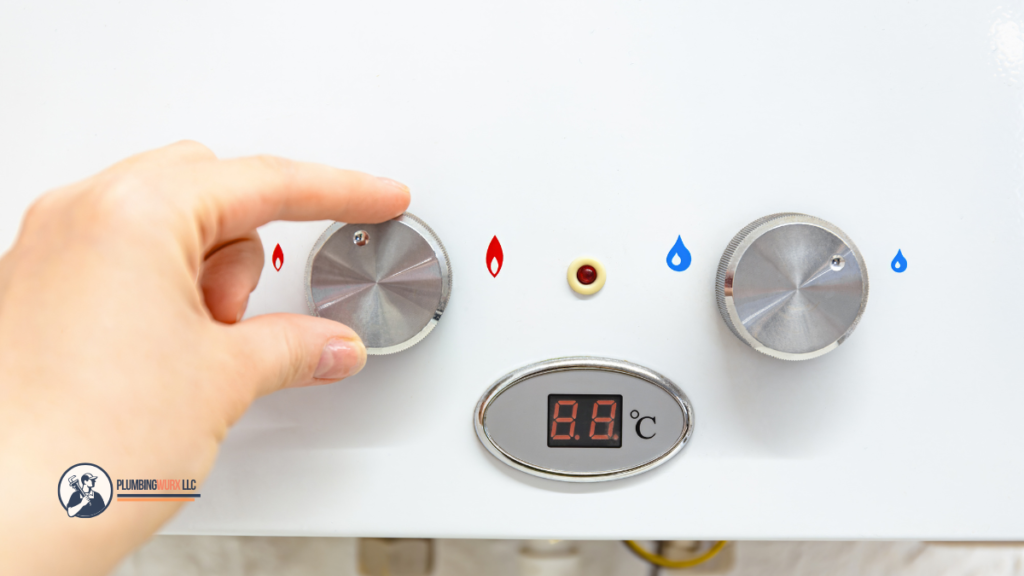
How a Water Heater Thermostat Works
- Thermostat for Temperature Control
The thermostat acts as the “brain” of your water heater, constantly monitoring the water temperature in the tank. When the water temperature drops below the set point, the thermostat signals the heating element (or burner in gas systems) to turn on. Once the desired temperature is reached, it shuts the system off to prevent overheating. This on-and-off cycling keeps your hot water consistent, safe, and energy-efficient. - Upper vs. Lower Thermostats in Tank Water Heaters
Most electric tank water heaters use two thermostats: an upper and a lower. The upper thermostat controls the top heating element and prioritizes heating the upper portion of the tank first, ensuring you get usable hot water quickly. Once the top of the tank reaches the correct temperature, control shifts to the lower thermostat, which heats the remaining water. If either thermostat fails, you may experience limited hot water, uneven temperatures, or water that never reaches full temperature. - Electric vs. Gas Water Heater Thermostat Differences
Electric water heaters rely on thermostats to directly control heating elements inside the tank, making accurate thermostat function critical to water temperature. Gas water heaters, on the other hand, use a thermostat to regulate the gas valve and burner flame. While both systems serve the same purpose, gas thermostats are more closely tied to fuel flow and combustion safety, while electric thermostats focus on element cycling and electrical control.
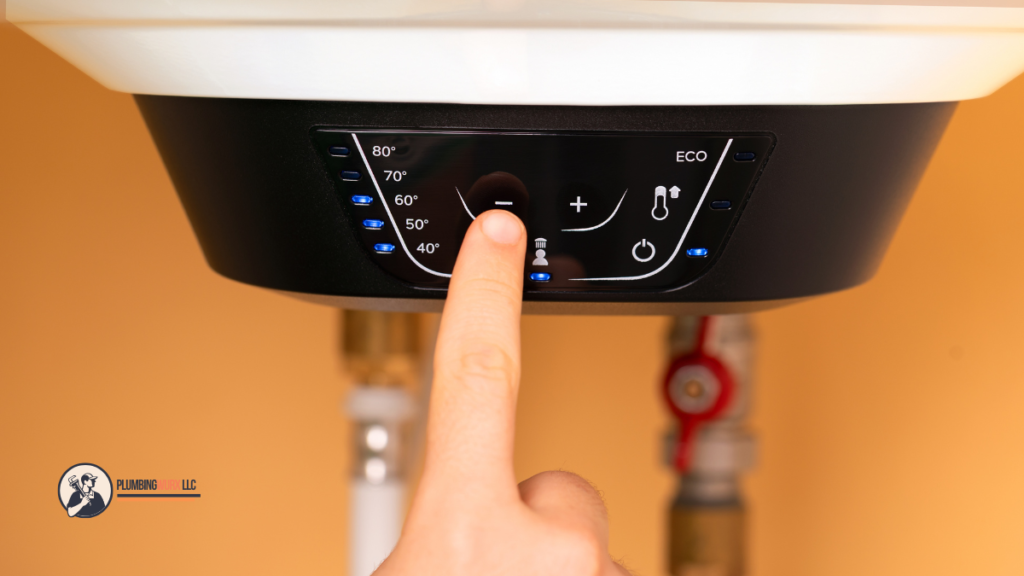
Signs You Need Professional Water Heater Thermostat Repair
Water heater thermostat problems don’t always cause a complete loss of hot water. More often, they show up as ongoing frustrations that point to an underlying issue. Recognizing these warning signs early can help prevent bigger system failures, higher energy bills, or unexpected cold showers.
Water Never Reaches the Desired Temperature
If your water heater runs but your water never gets truly hot, the thermostat may be misreading the water temperature or shutting off the heating element too soon. This often results in lukewarm water no matter how long you wait. When the system can’t reach or maintain the set temperature, professional diagnosis is needed to determine whether the thermostat needs recalibration or replacement.
Frequent Adjustments With No Improvement
Constantly turning the thermostat up without seeing any improvement is a clear sign something isn’t working correctly. A healthy thermostat responds to adjustments quickly and noticeably. If changes don’t result in hotter water, or only work briefly, the thermostat or its sensors may be failing and unable to properly control the heating cycle.
Tripped Breakers or System Error Codes
Thermostat and electrical issues often go hand in hand, especially in electric water heaters. Faulty thermostats can cause overheating, short cycling, or excessive power draw, leading to tripped breakers or error codes on newer systems. These issues shouldn’t be ignored, as they can signal electrical hazards or damage to other components of the water heater.
Older Water Heaters With Worn Components
As water heaters age, internal components naturally wear down, including thermostats, sensors, and wiring. Older systems are more prone to inaccurate temperature control and inconsistent performance. If your water heater is nearing the end of its expected lifespan and struggling to maintain hot water, professional thermostat repair or replacement can restore efficiency, or help determine if it’s time for a full system upgrade.
How PlumbingWurx Diagnoses Water Heater Thermostat Issues
When hot water problems strike, accurate diagnosis is the key to a lasting fix. PlumbingWurx technicians start with a full system evaluation to identify whether the thermostat is the root cause or a symptom of a larger issue.
We inspect temperature settings, test thermostat responsiveness, check electrical connections or gas controls, and assess the condition of heating elements and sensors. This thorough approach ensures we pinpoint the exact problem, saving you time, preventing unnecessary repairs, and restoring reliable hot water as quickly as possible.
Water Heater Thermostat Repair vs. Replacement
Not every thermostat issue requires full replacement. In some cases, recalibration, minor electrical repairs, or cleaning affected components can restore proper temperature control. However, if the thermostat is worn, damaged, or no longer accurately reading water temperature, replacement is often the safest and most cost-effective solution.
PlumbingWurx helps you make an informed decision based on your system’s age, condition, and efficiency, ensuring your water heater performs reliably without wasting energy or risking future breakdowns.
Preventing Future Water Heater Temperature Problems
Preventive maintenance plays a major role in avoiding thermostat-related issues. Regular inspections, tank flushing to remove sediment buildup, and checking temperature settings can help keep your system operating efficiently.
Scheduling routine professional service allows small issues to be caught early, before they lead to inconsistent temperatures or complete hot water loss. With proper care and expert support from PlumbingWurx, your water heater can deliver consistent, dependable hot water for years to come.
Choose PlumbingWurx for Water Heater Repairs!
Partnering with PlumbingWurx for routine service helps prevent unexpected issues, extend the life of your plumbing system, and keep your home or business running smoothly year-round.
Contact us today at (301) 867-7786 or visit us at 1044 Virginia Ave, Hagerstown, MD 21740.
We’re a family-owned business and pride ourselves on our quality craft and top-notch customer service!


0 Comments