

Winter can be tough on your plumbing system. Freezing temperatures, shifting ground, and increased indoor water use all add stress to pipes, fixtures, and connections.
That is why spring is the ideal time to schedule a plumbing inspection. As temperatures rise, it becomes easier to identify issues that may have formed over winter before they turn into costly repairs.
A professional inspection can uncover minor leaks, drainage concerns, water heater strain, or worn components that need attention.
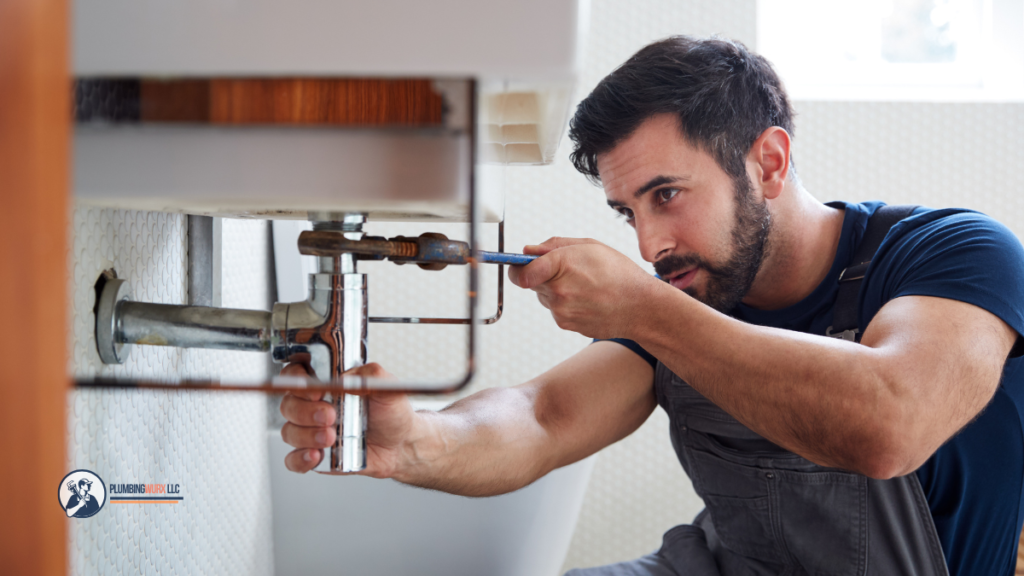
Why Spring Is the Ideal Time for a Plumbing Inspection
Spring offers the perfect window to evaluate your plumbing system after months of colder weather and heavier indoor water use. As temperatures stabilize, plumbing components expand and contract less dramatically, making it easier to identify weaknesses that may have developed over winter.
Scheduling a plumbing inspection in spring allows small issues to be corrected before they escalate in the warmer months. It provides an opportunity to check water pressure, inspect fixtures, assess water heater performance, and confirm that drains and sewer lines are flowing properly.
Taking this proactive step helps prevent unexpected disruptions and protects your home ahead of peak usage season.
Winter Stress Impacts Pipes and Plumbing Systems
Cold weather places significant strain on plumbing systems. When temperatures drop, water inside pipes can contract and, in extreme cases, freeze.
Outdoor faucets, exposed pipes, and irrigation lines are particularly vulnerable. Small cracks or loose connections may not be immediately noticeable, but can begin leaking once temperatures rise and water pressure increases.
Winter often brings higher indoor water usage from hot showers, laundry, and cooking. This increased demand can accelerate wear on water heaters, valves, and supply lines.
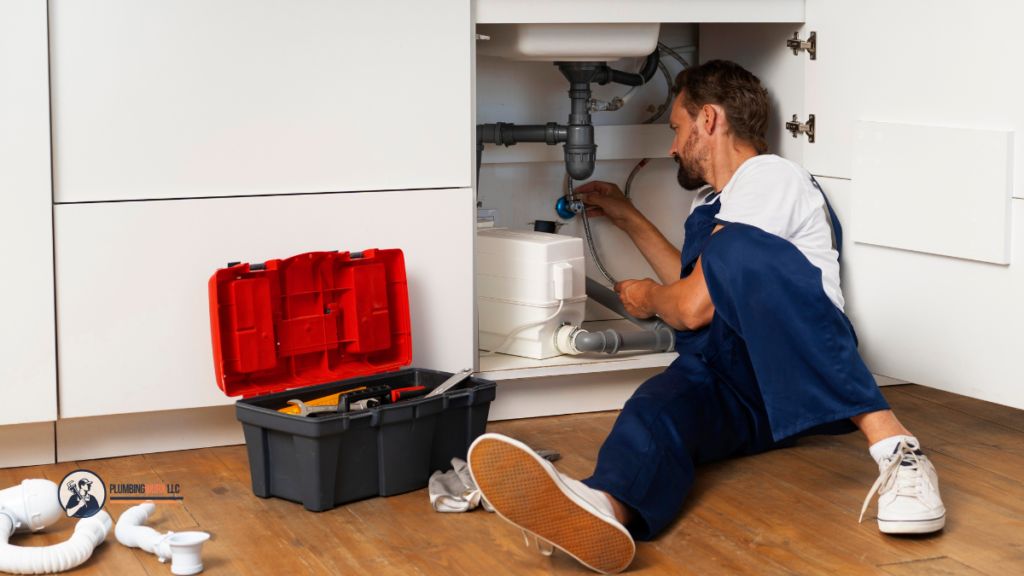
3 Common Plumbing Problems Discovered in Spring
A seasonal inspection frequently uncovers the following concerns:
- Hidden Leaks from Freeze-Thaw Damage
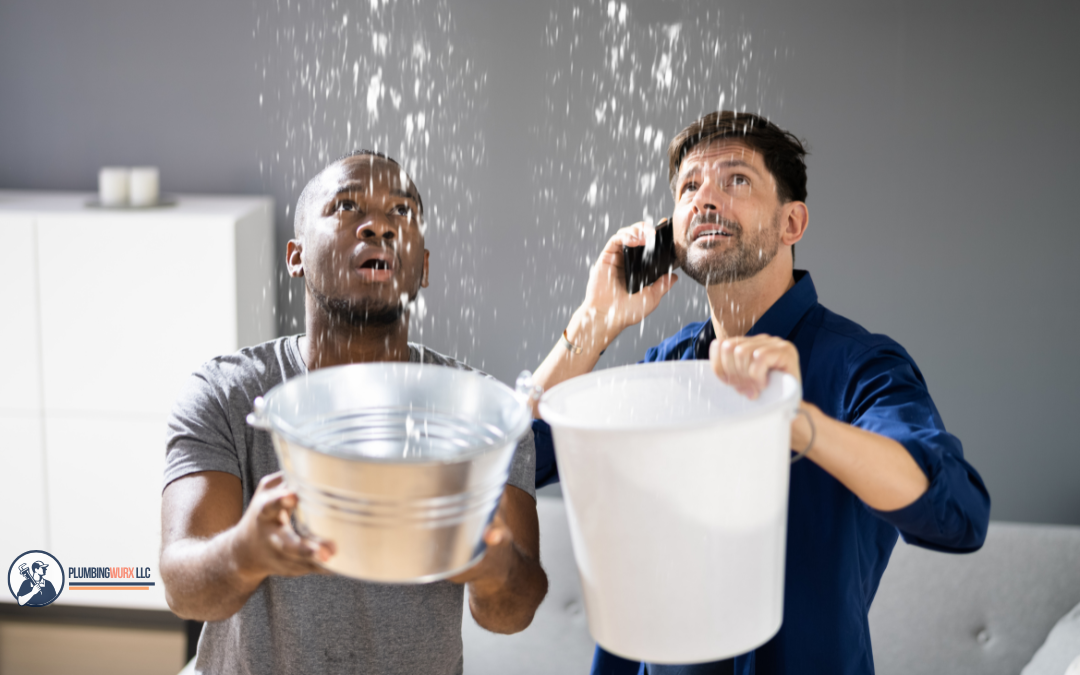
When water inside pipes freezes, it expands. Even if a pipe does not fully burst, that expansion can create small cracks or weaken joints. As temperatures warm and water begins flowing normally again, those tiny fractures can turn into slow, steady leaks.
These leaks are often hidden behind walls, under floors, or in crawl spaces. Homeowners may notice subtle warning signs such as water stains, peeling paint, musty odors, or an unexplained increase in their water bill. Catching freeze-related damage early prevents further structural issues and mold growth.
- Water Pressure Changes and Flow Issues
Winter temperature fluctuations can compromise pipe integrity and lead to mineral buildup in plumbing lines. If pipes were stressed or partially restricted during colder months, you may notice inconsistent water pressure in spring.
Low pressure could signal a developing leak, sediment buildup in the water heater, or corrosion inside supply lines. On the other hand, unusually high pressure can strain fixtures and increase the risk of future pipe damage.
- Drain and Sewer Problems After Winter
Colder months often mean increased indoor water use alongside limited outdoor maintenance. Debris, grease buildup, and even tree root intrusion can worsen over winter.
As the ground thaws, shifting soil may also affect underground sewer lines. Homeowners might experience slow drains, gurgling sounds, or unpleasant odors coming from sinks and showers.
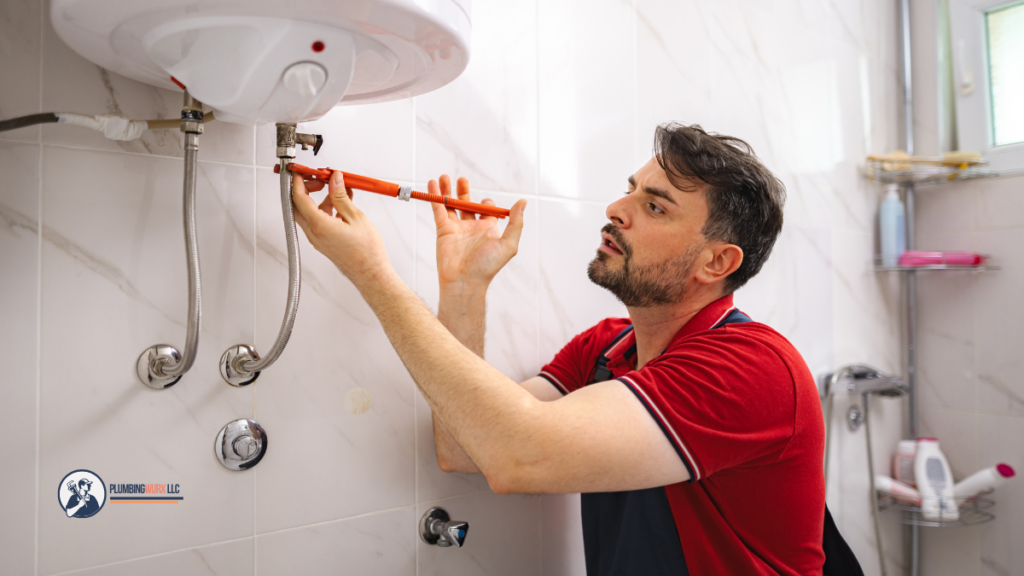
What a Professional Plumbing Inspection Covers
A professional plumbing inspection goes beyond checking for obvious leaks. It is a comprehensive evaluation of your entire plumbing system to ensure that every component functions safely, efficiently, and reliably.
The goal is to identify minor concerns early, extend your system’s lifespan, and prevent unexpected breakdowns.
Supply Lines, Fixtures, and Visible Connections
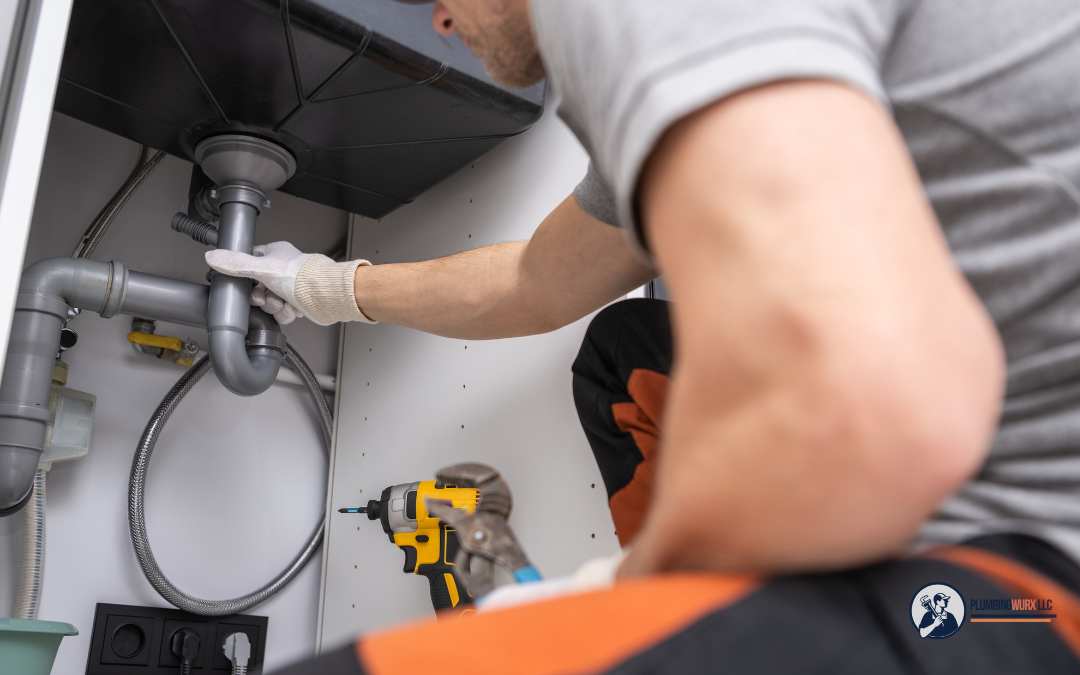
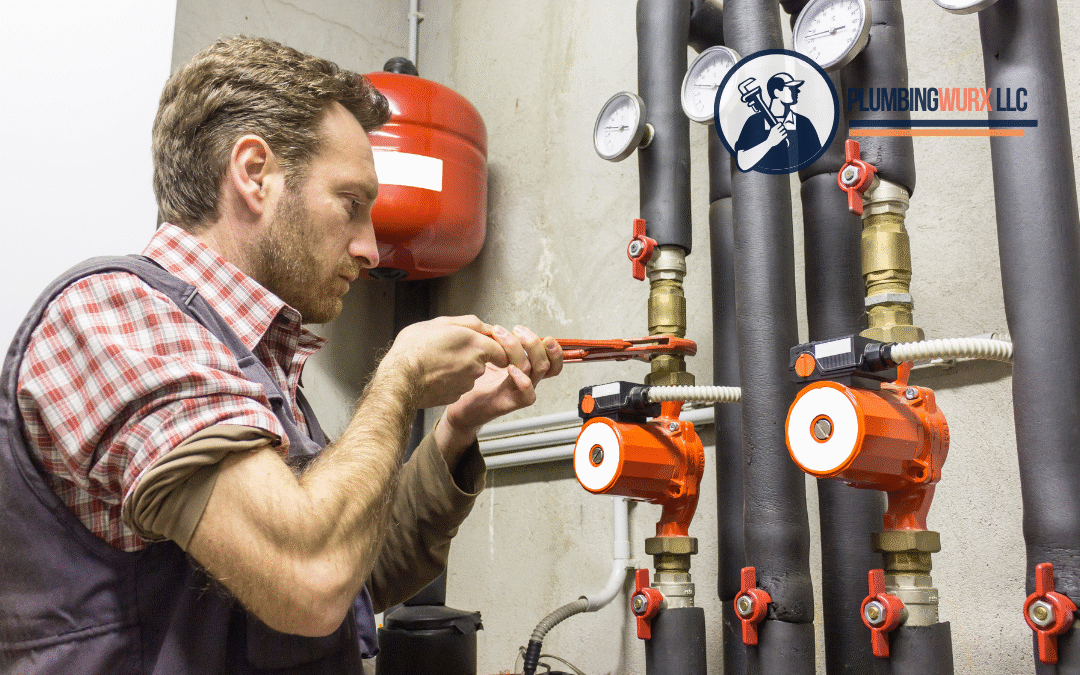
During an inspection, one of our licensed plumbers carefully examines exposed pipes, shutoff valves, and supply lines throughout the home. This includes connections under sinks, behind toilets, near appliances, and around outdoor spigots.
Our technician looks for signs of corrosion, loose fittings, moisture buildup, mineral deposits, and wear on flexible hoses. Even minor deterioration can signal a future failure point.
Fixtures such as faucets, showerheads, and toilets are also checked to ensure they are operating properly without internal leaks that waste water.
Identifying worn components early allows for simple replacements rather than emergency repairs later.
Drainage and Sewer Line Evaluation
A properly functioning drainage system is just as important as a clean water supply. During the inspection, drains are assessed for slow flow, unusual sounds, or odors that may indicate blockages forming in the system.
Depending on the situation, a more detailed sewer line evaluation may be recommended to check for buildup, root intrusion, or shifting underground lines. Early detection of drainage concerns prevents backups, water damage, and costly sewer repairs.
Water Heater Condition and Performance
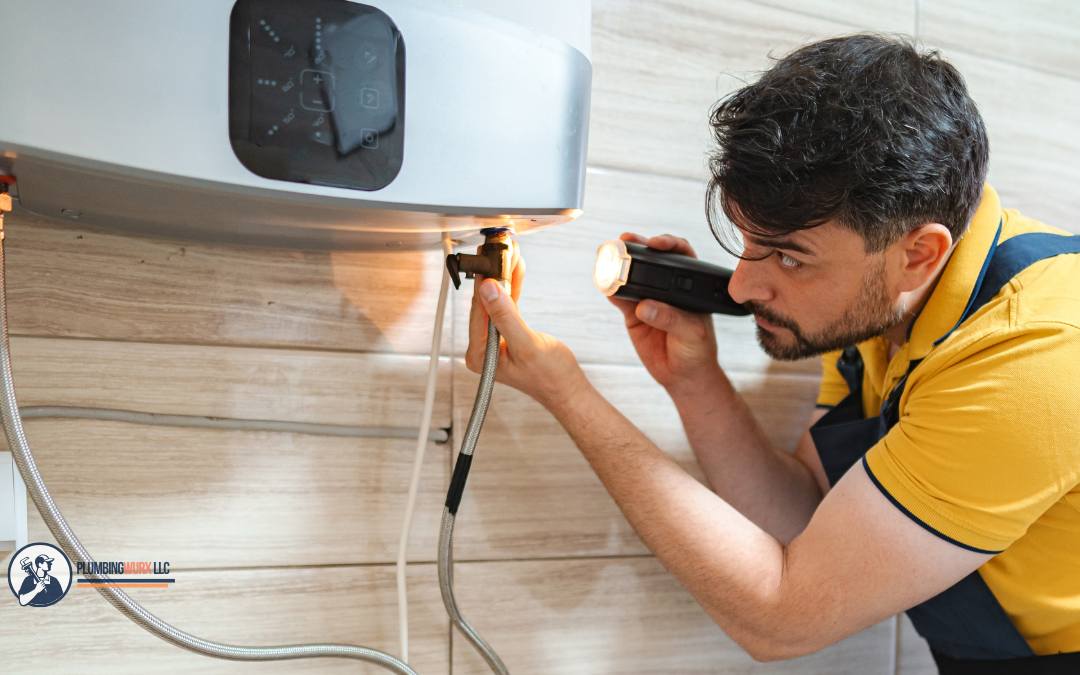
Your water heater works hard year-round, especially during colder months. An inspection includes evaluating the unit’s overall condition, checking for leaks, corrosion, sediment buildup, and proper temperature settings.
Our plumber may assess pressure relief valves, connections, and heating efficiency. Addressing minor issues, such as sediment buildup or aging components, can improve energy efficiency, extend the unit’s lifespan, and help prevent sudden failure.
Spring Plumbing Inspections Prevent Emergencies
Spring is the ideal time to get ahead of plumbing problems before they turn into urgent, costly repairs. Small leaks, weakened pipe connections, drainage buildup, and water heater strain often go unnoticed until they suddenly fail.
A seasonal inspection allows you to address these issues on your schedule, not during a late-night plumbing emergency.
At PlumbingWurx, our comprehensive spring plumbing inspections are designed to protect your home and give you peace of mind.
By identifying problems early, we help homeowners avoid:
- Unexpected pipe bursts
- Water damage to walls and flooring
- Sewer backups
- Sudden water heater failure
- Rising utility bills from hidden leaks
Our PlumbingWurx team provides clear recommendations, honest assessments, and reliable repairs when needed. Whether your home is newer or has aging plumbing, a proactive spring inspection reduces the risk of disruption during the busy summer months.
Scheduling a spring plumbing inspection with PlumbingWurx is a simple step that can prevent major emergencies and protect your investment for the year ahead.


0 Comments