
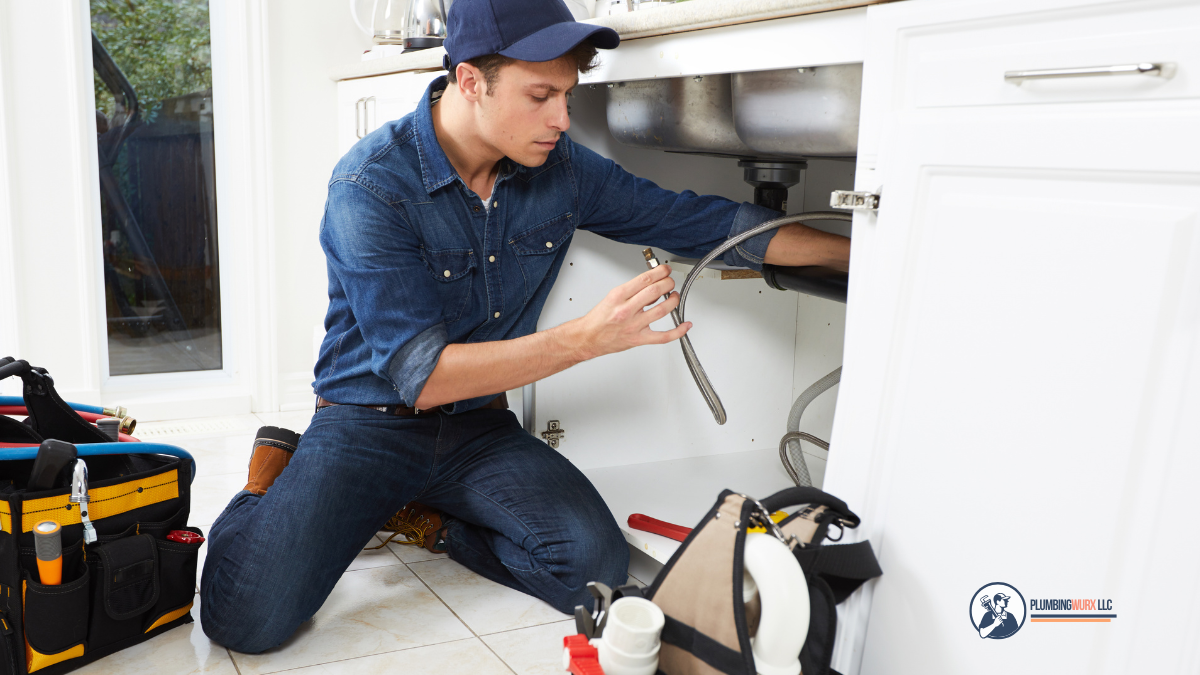
Freezing temperatures can seriously damage your home’s plumbing.
A frozen pipe can restrict or completely block water flow, and if it bursts, you could face expensive repairs and significant water damage.
The good news is that a little preparation before winter goes a long way. Insulating exposed pipes and making a few simple adjustments around your home can greatly reduce the risk of frozen plumbing.
Our team covers how to prevent frozen pipes before temperatures drop, which areas need the most attention, and what to do if you suspect a pipe has already frozen.
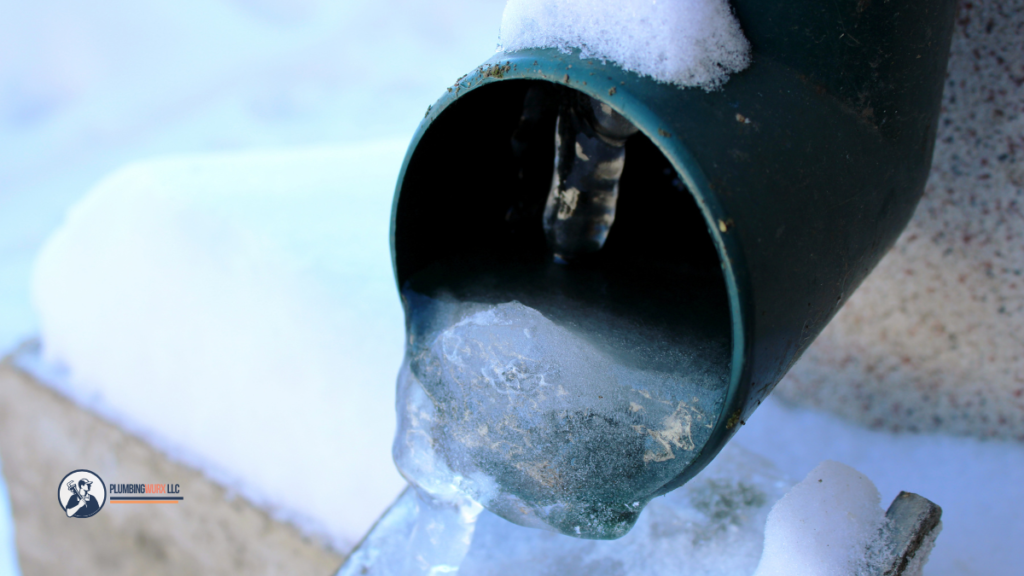
How to Prevent Frozen Pipes Before Temperatures Drop
The best way to prevent frozen pipes is to prepare your plumbing before the first cold snap.
- Insulate exposed pipes in unheated areas: Pipes in basements, crawl spaces, attics, garages, and along exterior walls are the most likely to freeze. Foam pipe insulation sleeves or approved heat tape can help protect them. Keep in mind that insulation slows heat loss but can’t fully prevent freezing during prolonged cold weather.
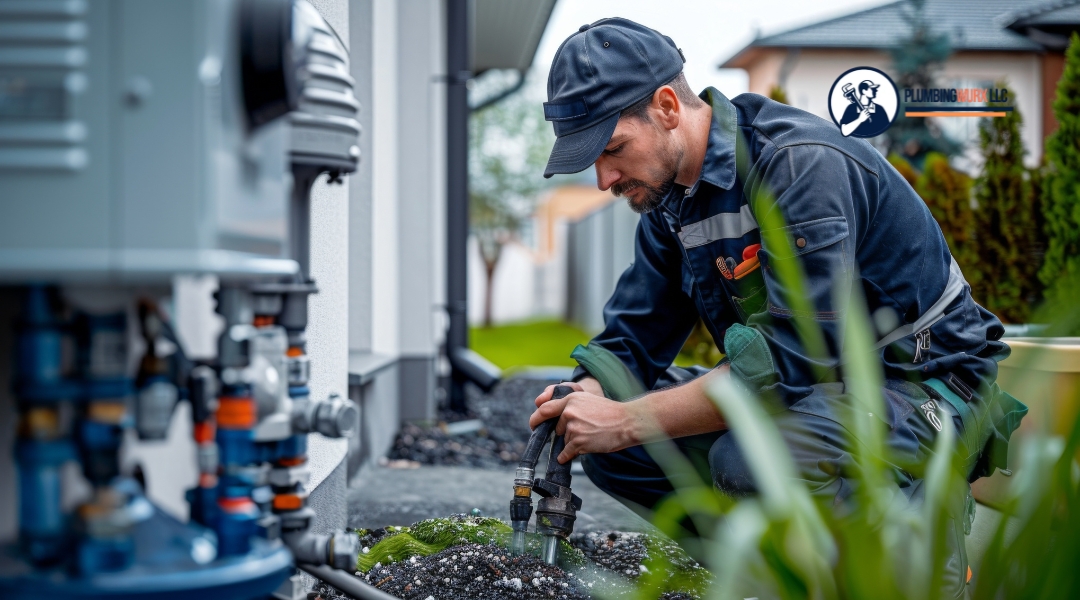
- Disconnect garden hoses and protect outdoor faucets: A connected garden hose can trap water inside the faucet and cause it to freeze. Disconnect and drain hoses, shut off the indoor valve that supplies outdoor faucets where possible, and drain the faucets according to the manufacturer’s instructions. Insulated faucet covers and frost-free hose bibs add extra protection.
- Seal drafts and cold air leaks around plumbing: Gaps in foundation walls, basement windows, crawl spaces, and plumbing penetrations let cold air reach nearby pipes. Seal these openings with caulk, weatherstripping, or expanding foam.
- Keep your home at a consistent temperature: Set your thermostat to at least 55°F during freezing weather, even when you’re away. Avoid turning your heat off completely or lowering the temperature significantly overnight during extreme cold.
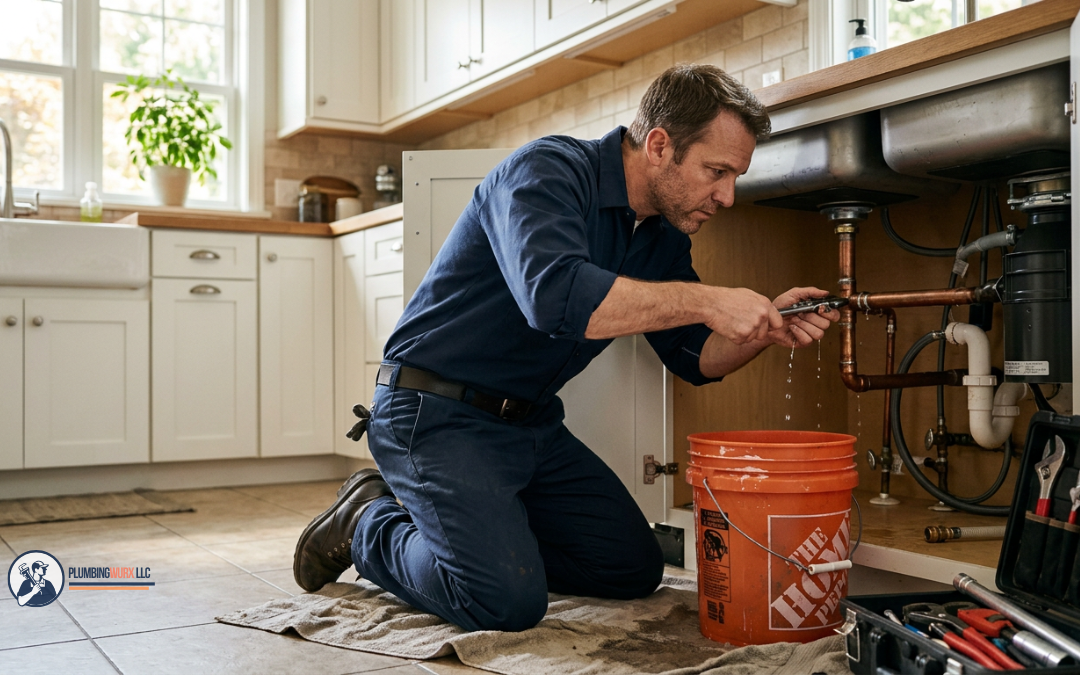
- Open cabinet doors under sinks: Kitchen and bathroom sink pipes often run along exterior walls. Opening cabinet doors during cold weather lets warm indoor air reach them. First, move cleaning products and other hazardous items out of reach of children and pets.
These preventive steps can also reduce the risk of leaks and other plumbing issues, common causes of water damage in Hagerstown homes.
How Cold Does It Have to Be for Pipes to Freeze?
Water freezes at 32°F, but pipes typically become most vulnerable when outdoor temperatures drop to around 20°F or lower.
Whether a pipe actually freezes depends on how long temperatures stay below freezing, where the pipe is located, and how well it’s insulated. Poorly insulated pipes or pipes exposed to strong drafts can freeze even at milder temperatures.
For example, a pipe in a heated basement may stay protected during a cold night, while a pipe running through an unheated crawl space could freeze under the same conditions.
The longer pipes are exposed to freezing temperatures, the greater the risk of ice forming inside them.
What Should You Do During an Extreme Cold Weather Warning?
When an extreme cold weather warning is issued, take a few extra precautions on top of your regular winter prep:
- Let vulnerable faucets drip slightly: A small, steady flow of water through faucets served by exposed pipes can help prevent freezing. Follow any local water-use guidance.
- Check unheated areas: Inspect basements, crawl spaces, garages, and utility rooms for drafts or unusually cold conditions.
- Know where your main water shut-off valve is: If a pipe bursts, shutting off the water quickly can limit damage.
- Arrange for someone to check your home if you’re traveling: Prolonged freezing weather while you’re away for several days can leave problems undetected.
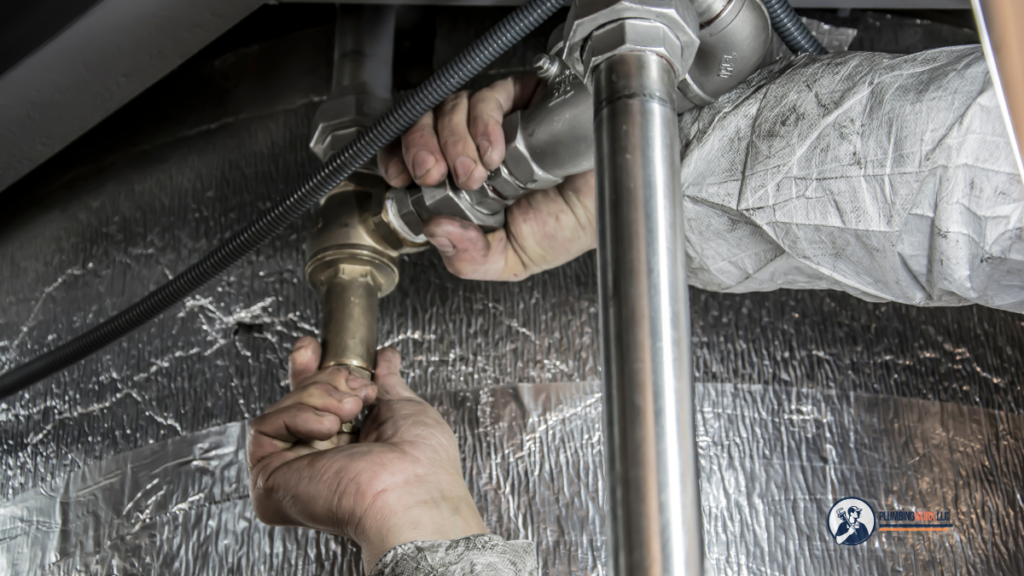
How Can You Tell If Your Pipes Are Frozen?
The most common sign of a frozen pipe is little or no water coming from a faucet during freezing weather.
Because many pipes are hidden behind walls, beneath floors, or in crawl spaces, this is often the first clue homeowners notice.
Other signs your pipes may be frozen include:
- Unusually low water pressure: A sudden drop in pressure at one or more fixtures may mean ice is restricting water flow.
- Visible frost on exposed pipes: Frost or ice on pipes in basements, garages, crawl spaces, or other unheated areas means they’re exposed to freezing conditions.
- Strange noises from your plumbing: Unusual sounds when you open a faucet can indicate restricted flow, but noises alone don’t confirm a frozen pipe.
- Bulging or damaged pipes: Freezing can cause visible bulging or cracking in exposed plumbing.
How Do You Safely Thaw a Frozen Pipe?
You can safely thaw a frozen pipe in an accessible area by applying gentle heat and keeping the faucet open so melting water can flow out, as long as there are no signs of pipe damage or leaks.
- Open the affected faucet: Keeping the faucet open allows melting water to escape as the ice blockage clears.
- Apply gentle heat: Use a hair dryer or warm towels wrapped around the pipe. Keep electrical devices away from water, and don’t leave space heaters unattended.
- Start near the faucet: Work back toward the frozen section so melting water has somewhere to go.
- Never use an open flame: Torches and other high-heat devices can damage pipes and create a serious fire hazard.
If you can’t locate the frozen section, can’t reach it safely, or water flow doesn’t return, contact a professional plumber.
Can Frozen Pipes Burst, and What Happens If They Do?
Yes, frozen pipes can burst. When water freezes inside a pipe, it expands and creates an ice blockage, and the pressure that builds between the blockage and a closed faucet can crack or rupture the pipe.
A common misconception is that a damaged pipe will leak right away. In reality, a cracked pipe often doesn’t start leaking until the ice thaws and water begins flowing again.
A burst pipe can lead to:
- Water damage to walls and ceilings: Escaping water can soak drywall, insulation, and other building materials.
- Damaged flooring and furniture: Water can spread quickly, especially when the damaged pipe is upstairs or behind a wall.
- Mold and mildew growth: Moisture trapped in walls or flooring can lead to mold if it isn’t dried out promptly.
- Disrupted water supply: You may need to shut off water to part or all of your home until repairs are completed.
- Unexpected repair expenses: Beyond fixing the pipe, you may need to pay for water removal and restoration work.
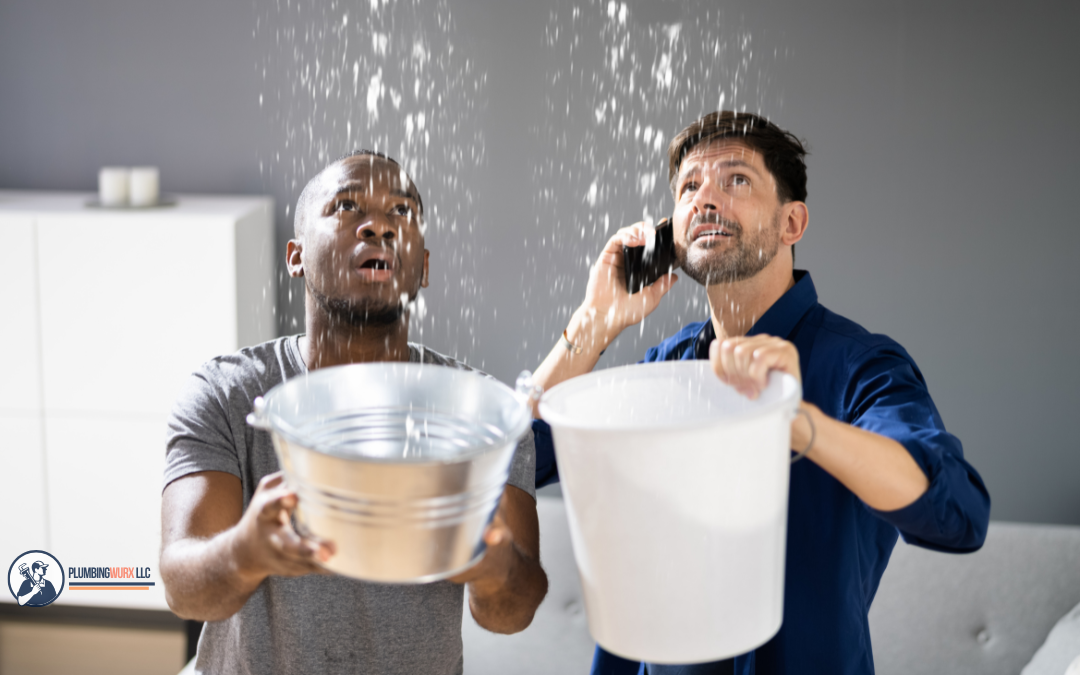
If a pipe bursts, shut off your main water supply immediately if it’s safe, stay away from electrical equipment in flooded areas, and call an emergency plumber. The faster you address the damage, the more you can limit it.
If you’re dealing with flooding after a burst pipe, learn more about PlumbingWurx’s 24/7 emergency water extraction services in Hagerstown and how prompt water removal can help protect your property.
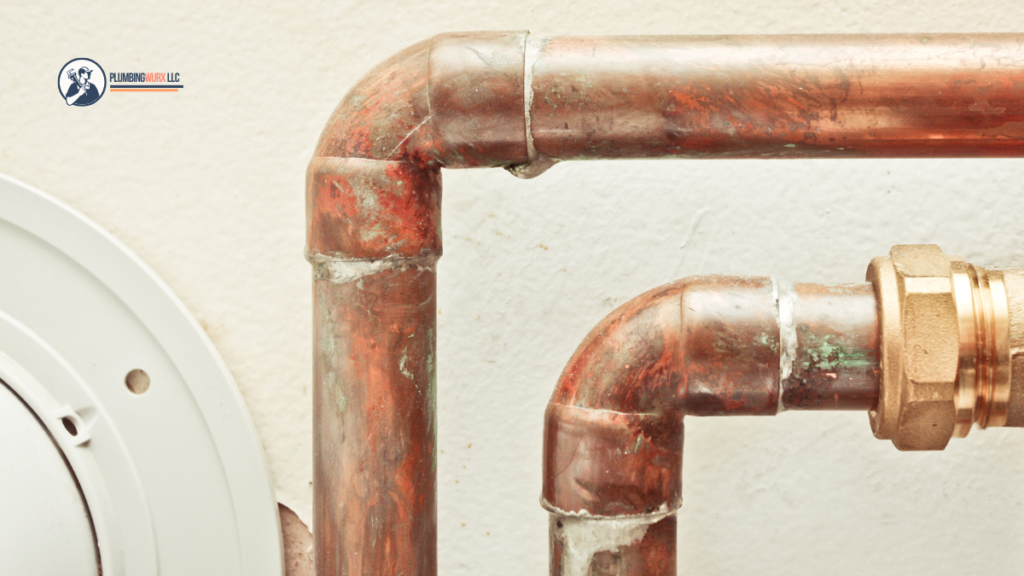
When Should You Call a Plumber for Frozen Pipes?
Call a plumber if a frozen pipe is hidden, won’t thaw, or shows signs of damage.
You should contact a plumber if:
- You have no running water: A plumber can confirm whether a frozen pipe is the cause and locate the blockage.
- The frozen pipe is hidden or hard to reach: Pipes behind walls, beneath floors, or in crawl spaces are difficult to thaw safely without professional equipment.
- You notice leaks or visible pipe damage: Cracks, bulging, or escaping water mean the pipe may already be compromised.
- The pipe won’t thaw: If gentle warming hasn’t restored water flow, professional help can prevent further damage.
- Multiple fixtures are affected: Low pressure or no water throughout your home can signal a larger plumbing problem.
- A pipe has burst: Active leaks or flooding need immediate attention.
Our plumbers can also identify vulnerable areas of your home and recommend insulation or freeze protection to help prevent the problem from happening again.
For more information on handling urgent plumbing problems, read our guide to 24/7 emergency plumbing in Hagerstown, including what to do before a plumber arrives.

0 Comments