
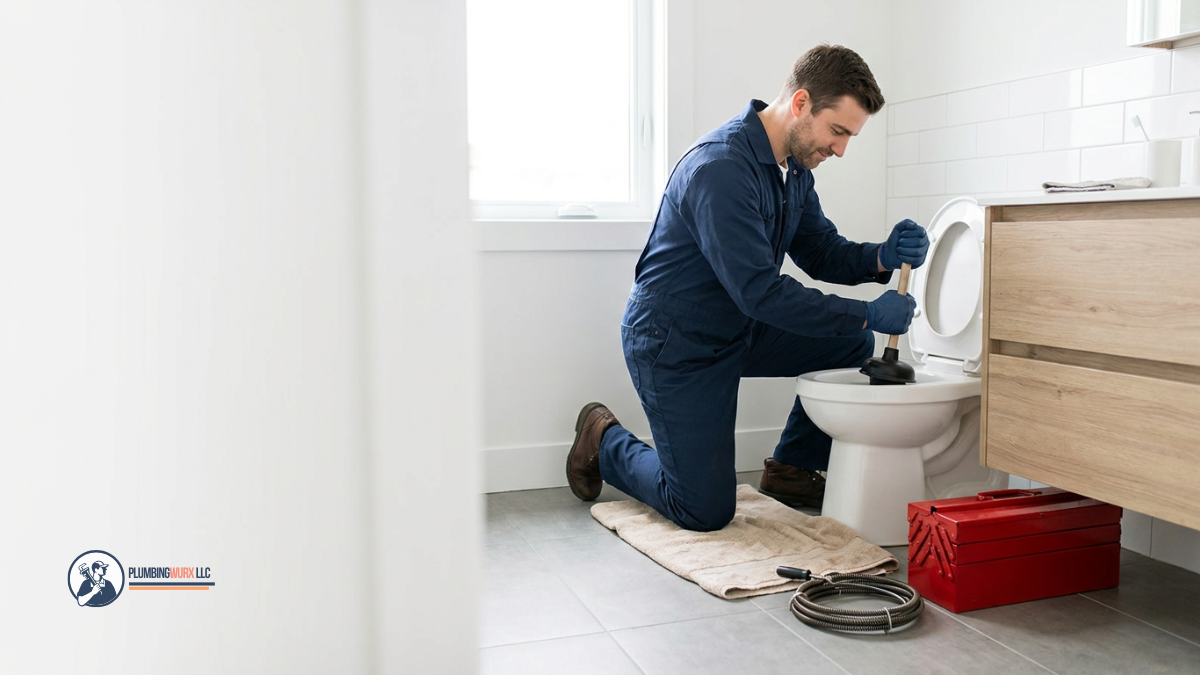
A house full of guests means more meals, more conversation, and more bathroom trips. But if your toilet keeps clogging whenever friends or family visit, extra use may reveal a plumbing problem rather than cause one.
Too much toilet paper, non-flushable items, weak flushing, and partial drain blockages can all contribute to recurring clogs. When several fixtures are affected, the issue may be farther down the sewer line.
Here’s how to recognize the most common causes, prepare your bathrooms before guests arrive, and know when a clogged toilet needs professional attention.
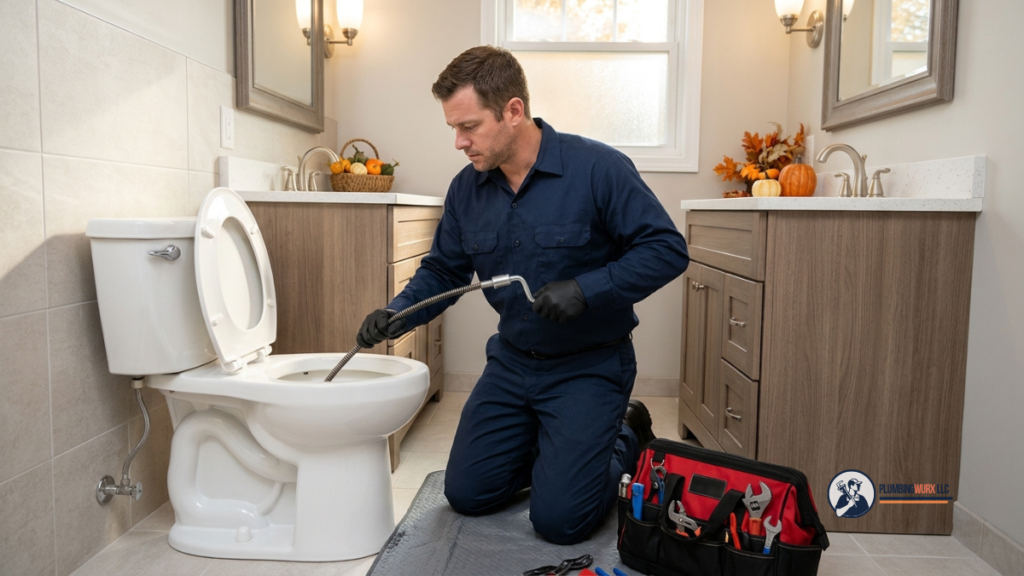
Why Does Your Toilet Keep Clogging?
An occasional clog can happen. Repeated blockages, however, deserve a closer look, especially if the same toilet struggles every time you host.
1. Too Much Toilet Paper at Once
Toilet paper is designed to break down in water, but too much can still get lodged in the toilet’s curved trapway or drainpipe.
The risk increases when paper catches on an existing obstruction or the toilet doesn’t flush effectively. Encourage reasonable toilet paper use, but don’t assume guests are the problem if clogs happen regularly.
2. Wipes and Other Non-Flushable Items
Baby wipes, paper towels, facial tissues, and hygiene products don’t break apart like toilet paper. Even wipes labeled “flushable” can contribute to blockages.
These materials may lodge near the toilet or travel farther into the drainage system before getting caught. A visible bathroom trash can helps guests dispose of them properly.
3. A Partial Drain Blockage
A toilet can appear to work normally while a partial obstruction restricts the pipe. Some waste and water still pass through, but additional material can catch on the blockage.
More frequent use during a gathering may make that existing restriction noticeable. If plunging clears the toilet only for the clog to return, the underlying obstruction may still be there.
Our comparison of professional drain cleaning versus DIY methods explains why temporary relief doesn’t always mean a drain problem is resolved.
4. Weak or Incomplete Flushing
A toilet needs adequate water flow to carry waste through its trapway. If the flush is consistently weak, waste and paper may remain behind and contribute to repeated clogs.
Possible causes include:
- A tank water level below the manufacturer’s recommended setting.
- A flapper that closes too soon.
- An improperly adjusted flush mechanism.
- Mineral buildup restricting the rim jets or siphon jet.
- An older or poorly performing toilet.
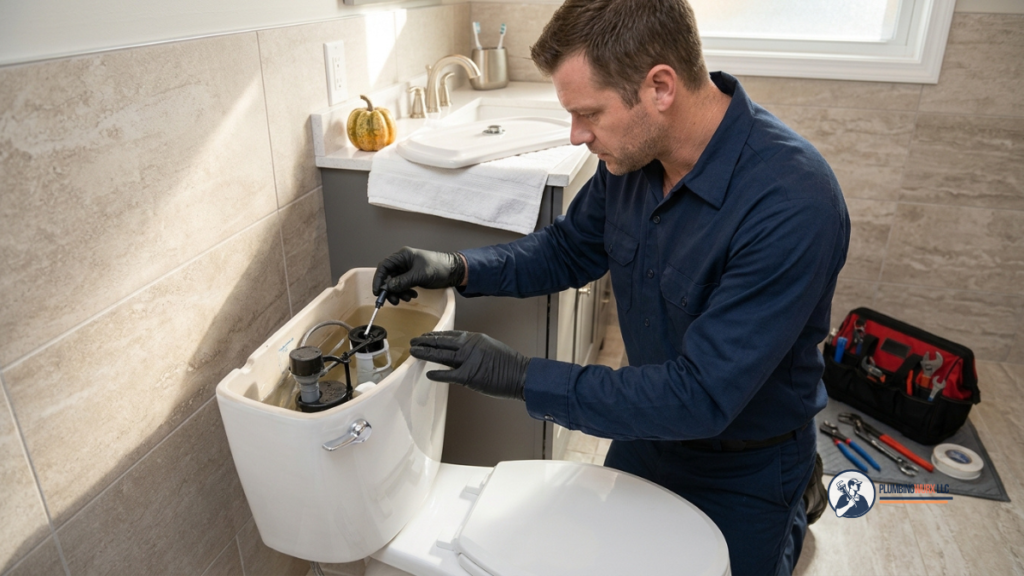
If the toilet regularly needs multiple flushes, have the flushing mechanism and drainage checked rather than treating every incident as a separate clog.
5. A Main Sewer Line Problem
When more than one toilet or drain backs up, the problem may extend beyond a single bathroom.
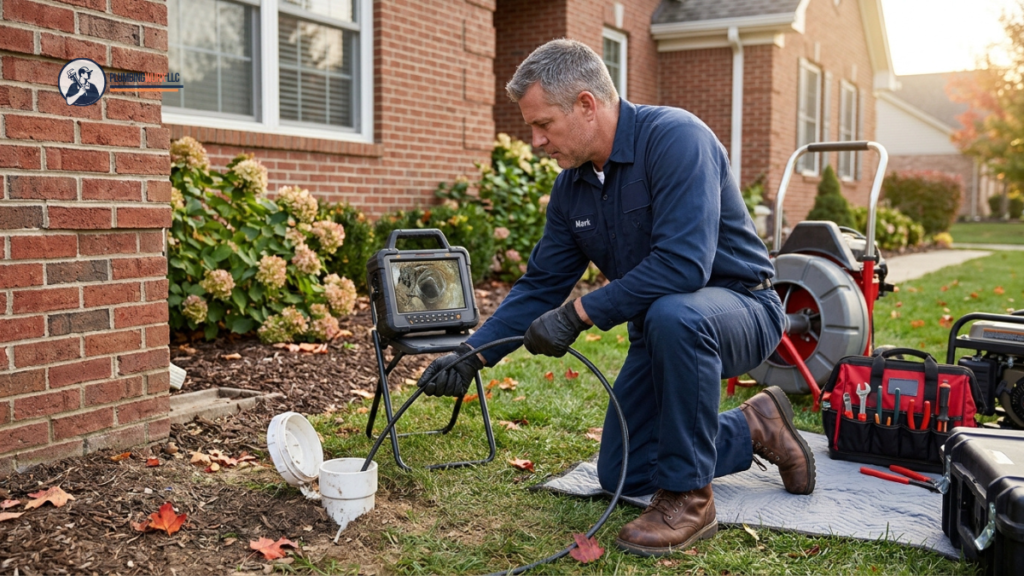
Tree roots, accumulated debris, damaged pipes, or sagging sections can restrict wastewater flow through the main sewer line. These restrictions may become more apparent when guests are using toilets, showers, and sinks throughout the house.
Multiple slow drains, wastewater backing up into a tub, and recurring gurgling are among the warning signs of sewer line trouble. They don’t automatically mean you need a replacement, but they do call for professional diagnosis.
6. A Plumbing Vent Problem
Not every slow or inconsistent flush comes from a drainpipe obstruction. Plumbing vents help regulate air pressure so wastewater can move properly.
A blocked or malfunctioning vent can contribute to bubbling, gurgling, and sluggish drainage. Because these symptoms can also indicate drain or sewer blockages, guessing at the cause can lead to repeated, ineffective fixes.
Our guide to signs of a clogged drain vent pipe explains the overlap and when to arrange an inspection. Leave roof-level vent checks to a professional.
Can Having More Guests Cause Your Toilet to Clog?
More guests can increase the likelihood of a clog, but a properly functioning toilet should handle normal household use.
Guests may also flush unfamiliar products or use the toilet again before the tank has finished refilling, which can cause an incomplete flush.
However, a toilet shouldn’t routinely back up simply because you have visitors. If the same problem returns whenever you entertain, investigate the toilet and drain line rather than blaming the number of people in your home.
What Should You Never Flush Down the Toilet?
Keep flushing simple: human waste and toilet paper only.
Items that belong in the trash include:
- Baby wipes and “flushable” wipes.
- Paper towels and facial tissues.
- Tampons, sanitary pads, and other menstrual products.
- Cotton balls, cotton swabs, and dental floss.
- Diapers and disposable cleaning cloths.
- Hair and grooming waste.
- Food scraps, grease, and cooking oils.
- Cat litter.
These materials can lodge in bends, catch on existing obstructions, or contribute to blockages farther downstream. For a fuller explanation, read our guide to what can and can’t be flushed down the toilet.
Place a small, lined trash can beside each toilet. If you’re hosting a large group, a discreet “toilet paper only” reminder can also help.
How Can You Prevent Toilet Clogs Before Guests Arrive?
A little preparation is more useful than dealing with an overflowing bowl during dinner.
Check for Existing Warning Signs
Before guests arrive, make sure each toilet flushes completely and refills normally. Watch for:
- Water rising unusually high before draining.
- A weak or incomplete flush.
- Gurgling from the toilet or nearby drains.
- A history of recurring clogs.
- Leaks around the toilet base.
Address these symptoms before hosting. Proper sewer maintenance and inspections can catch drainage problems before they become disruptive backups.
Make Proper Disposal Easy
Keep a visible trash can in every bathroom and stock enough toilet paper so guests don’t substitute tissues or paper towels.
If wipes are available, place them beside the trash can rather than presenting them as something to flush.
Keep the Right Plunger Nearby
A flange-style toilet plunger has an extended rubber flap designed to fit the toilet’s drain opening. It generally creates a better seal than a flat-bottomed sink plunger.
Keep one accessible so you can address a minor problem quickly and discreetly.
Don’t Put Off Recurring Problems
If you’ve already plunged the same toilet several times, another temporary fix isn’t much of a hosting strategy. Schedule an inspection to determine whether the issue is the toilet, a local obstruction, or the drainage system.
What Should You Do if Your Toilet Clogs or Overflows?
Stop Flushing and Control the Water
Do not flush again if the bowl is rising or draining slowly. Another flush can send water over the rim.
Turn the toilet’s supply valve clockwise to close it, or follow the valve’s marked operating direction. Don’t force a stuck valve.
Closing the supply stops additional refill water, but it won’t stop wastewater backing up from a blocked sewer line. If other fixtures are backing up too, stop water use throughout the home and call a plumber promptly.
Use a Toilet Plunger for a Minor, Isolated Clog
If the bowl isn’t close to overflowing and no chemical cleaner has been added, try a flange plunger:
- Position the flange in the drain opening with enough water to cover the rubber cup.
- Start with a gentle push to release trapped air and reduce splashing.
- Use controlled push-and-pull movements while maintaining the seal.
- Stop if the toilet leaks, the water rises, or the blockage won’t clear.
Once the water level returns to normal, test cautiously and stay beside the toilet so you can stop the water if needed.
If you suspect a toy or other solid object was flushed, don’t try to force it deeper into the pipe. Our guide to handling a clogged toilet bowl covers common causes and warning signs that need professional help.
Skip Chemical Drain Cleaners
Don’t pour chemical drain cleaner into a clogged toilet. Many products aren’t intended for toilets and can create hazardous splashes or damage components.
Never mix cleaning products. If you’ve already used a chemical cleaner, don’t plunge the toilet, and tell the plumber what you added.
Keep People Away From Overflowed Wastewater
Treat toilet overflow water as potentially contaminated. Keep children and pets away, avoid direct contact, and wear appropriate protective equipment during cleanup.
For extensive contamination, sewage backups, or wastewater that has soaked into flooring and other porous materials, arrange professional cleanup. Avoid electrical outlets or equipment exposed to water.
When Should You Call a Plumber for a Clogged Toilet?
Contact a plumber if:
- The toilet clogs repeatedly despite appropriate use.
- A brief, controlled plunging attempt doesn’t clear it.
- Water backs up into a bathtub, shower, or another drain.
- Multiple toilets or fixtures are affected.
- Flushing causes nearby drains to gurgle.
- You notice sewage odors, leaks, or wastewater backups.
- You suspect a non-flushable object is lodged inside.
A plumber can check the flushing mechanism, assess the drain, and recommend further inspection when needed. The right solution depends on the cause, not just what you can see.
For active overflows or sewage backing up into the home, seek prompt assistance. PlumbingWurx’s 24/7 emergency plumbing solutions address common urgent situations.
Keep Your Bathrooms Guest-Ready With PlumbingWurx
A toilet that keeps clogging isn’t something you should have to plan every gathering around. Finding the cause before guests arrive can help you avoid repeat blockages, messy overflows, and an out-of-service bathroom.
PlumbingWurx provides plumbing repairs and professional clogged drain services in Hagerstown, MD, and surrounding communities.
Our team can assess recurring toilet clogs, identify drainage issues, and recommend the right solution.
Call (301) 264-7577 or contact PlumbingWurx to schedule service before your next gathering.
0 Comments