
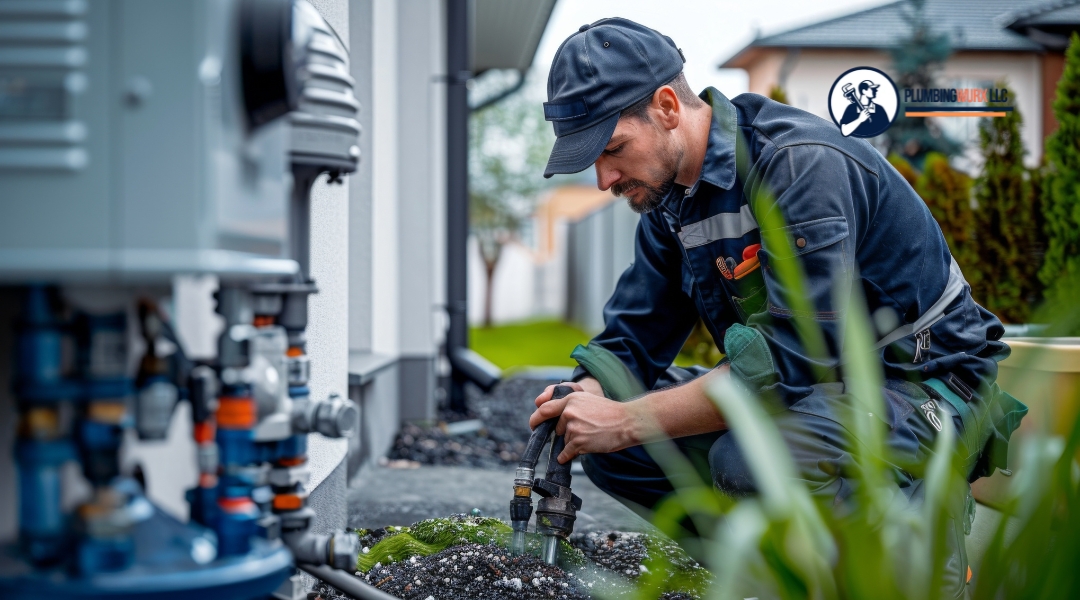
If your water pressure keeps dropping, the problem could be as simple as a clogged fixture or a sign of a larger plumbing issue.
Hidden leaks, aging pipes, a failing pressure regulator, and problems with a well pump or pressure tank can all cause low or inconsistent water pressure.
Understanding where and when the pressure drops can help narrow down the cause. Here are some of the most common reasons your home’s water pressure may be changing and when it is time to call a plumber.
7 Common Reasons Your Water Pressure Keeps Dropping
Low or fluctuating water pressure can come from a problem with a single fixture or something affecting your entire plumbing system.
1. Clogged Faucets or Showerheads
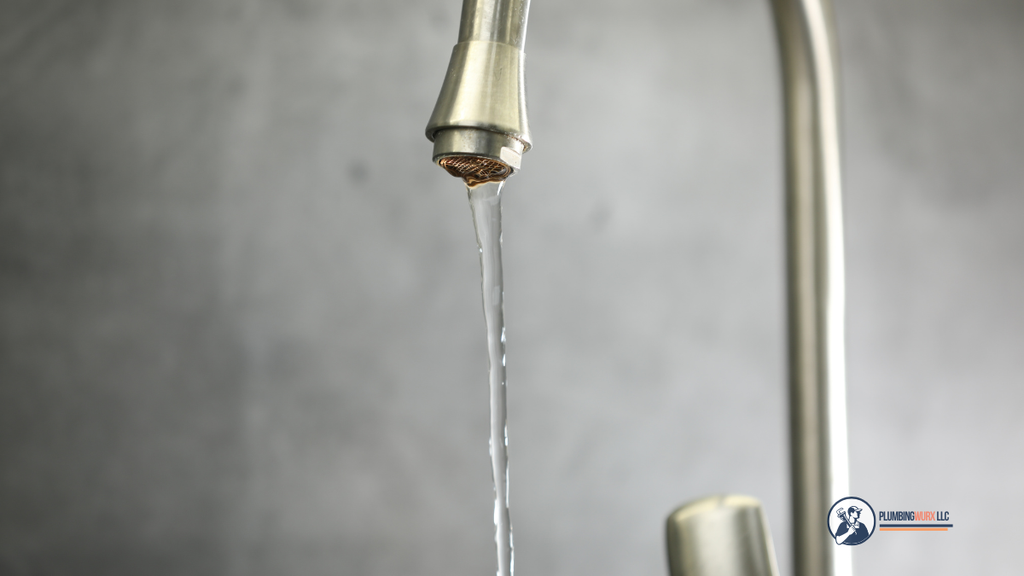
If low water pressure only affects one faucet or shower, the fixture itself may be the problem. Mineral deposits and debris can build up inside aerators and showerheads over time, restricting water flow.
Cleaning or replacing the affected fixture may restore normal pressure. If several fixtures have weak pressure, the cause is likely elsewhere in the plumbing system.
2. A Hidden Plumbing Leak
Depending on the leak’s location and size, you may notice a sudden pressure drop or pressure that gradually worsens.
Other signs include unexplained increases in your water bill, damp areas, water stains, or the sound of running water when no fixtures are in use.
3. A Failing Water Pressure Regulator
A water pressure regulator helps control the pressure of water entering your home. If it begins to fail, you may experience unusually low or high pressure, or unexpected changes.
Because regulator problems can affect multiple fixtures throughout the home, a professional should diagnose persistent pressure changes.
4. Corroded or Aging Pipes
Older plumbing can gradually become restricted by corrosion, mineral buildup, and other deposits inside the pipes. As the available space for water to flow shrinks, you may notice weaker pressure.
5. Multiple Fixtures Are Using Water at the Same Time
Sometimes a temporary pressure drop is simply the result of several fixtures or appliances using water at once.
For example, you might notice weaker shower pressure when the washing machine, dishwasher, or another shower is running. If your pressure returns to normal once the other fixtures stop, simultaneous water use may be the cause.
6. Your Well Pump or Pressure Tank Has a Problem
Homes that rely on well water can experience pressure changes when there is a problem with the well pump, pressure switch, or pressure tank.
You may notice water pressure that rises and falls, weak flow throughout the house, or a pump that cycles more frequently than usual.
7. There May Be a Problem With the Main Water Supply
Sometimes low water pressure does not originate inside your home. Maintenance, repairs, a damaged water main, or changes within the municipal water system can temporarily affect the pressure reaching your property.
If your neighbors are experiencing similar pressure problems, the main water supply may be the cause. If the issue only affects your home or continues after local supply problems have been resolved, it is worth having your plumbing system inspected.
Why Does My Water Pressure Drop Then Come Back?
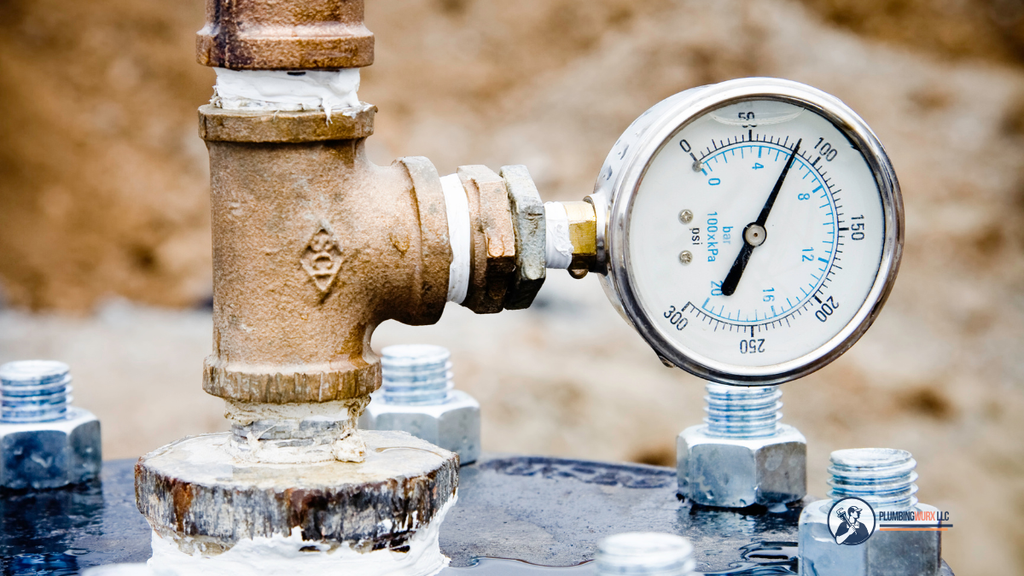
Water pressure that drops and then returns can happen when several fixtures are using water at the same time.
It may also point to a problem with a pressure regulator, well pump, pressure tank, or another part of the plumbing system.
Pay attention to when the pressure changes and which fixtures are affected. If the problem happens regularly or without an obvious reason, a plumber can test the system to identify the cause.
Why Is My Water Pressure Low in Only One Part of the House?
The location of low water pressure can help narrow down the problem.
A single affected fixture often suggests a localized issue, while weak pressure throughout the home may indicate a larger plumbing or water supply problem.
- Low Pressure at One Faucet: Low pressure at one faucet is commonly caused by a clogged aerator, mineral buildup, or a problem with the fixture or its supply line. If cleaning the aerator doesn’t improve the flow, you may need further inspection.
- Low Pressure in the Shower: Mineral deposits and debris can restrict a showerhead. If cleaning or replacing the showerhead doesn’t restore pressure, the problem may involve the shower valve or the plumbing supplying that area.
- Low Hot Water Pressure: If cold water pressure is normal but hot water pressure is weak, the issue may be connected to the water heater or hot water plumbing. Sediment buildup, restricted pipes, or a valve problem can reduce hot water flow.
- Low Water Pressure Throughout the Entire House: Low pressure at multiple fixtures can point to a hidden leak, pressure regulator problem, aging pipes, well system issue, or a change in the main water supply. Whole-house pressure problems more often require professional diagnosis.
Is Low Water Pressure a Sign of a Plumbing Leak?
Yes, low water pressure can signal a plumbing leak. Water escaping from a damaged pipe can reduce the flow reaching fixtures elsewhere in the home.
A leak may be more likely if the pressure dropped suddenly or you also notice water stains, damp areas, unexplained water usage, or the sound of running water when all fixtures are off.
Can a Well Pump Cause Low Water Pressure?
Yes. If your home uses well water, the well pump plays an important role in maintaining reliable water flow. Problems with the pump, pressure switch, or pressure tank can cause weak or fluctuating pressure.
Frequent pump cycling, sudden pressure changes, or low water pressure throughout the home are signs the well system should be inspected.
When Should You Call a Plumber for Low Water Pressure?
An occasional drop in pressure may have a simple explanation, but persistent or sudden changes can indicate a plumbing or equipment problem.
Call PlumbingWurx when:
- Pressure suddenly drops throughout the home.
- Water pressure keeps fluctuating.
- You suspect a hidden leak.
- Multiple fixtures have weak pressure.
- Your well pump repeatedly cycles.
- You hear water running when fixtures are off.
- Pressure continues getting worse.
- DIY fixture cleaning doesn’t solve the issue.
How a Professional Plumber Diagnoses Low Water Pressure
A plumber will first determine whether the pressure problem affects one fixture, one area of the home, or the entire plumbing system.
Depending on the symptoms, the inspection may include checking the home’s water pressure, fixtures and valves, looking for signs of leaks or pipe restrictions, and evaluating the pressure regulator. For homes with well water, the plumber may also need to check the well pump, pressure tank, and related components.
Once the plumber identifies the source, they can recommend the right repair instead of treating low pressure as a standalone problem.



0 Comments