

When your private well stops working, getting your water back quickly is the main priority. Low pressure, odd noises, or inconsistent flow are clear warning signs, but deciding whether to repair or replace your pump depends on your system’s age, overall condition, and water demands.
At PlumbingWurx, our team accurately diagnoses well system issues so you can choose the most reliable, cost-effective fix.
How Your Well Pump System Works
A well pump moves groundwater from your well directly into your home’s plumbing network using either a submersible pump (installed deep underground) or a jet pump (located above ground).
Your well pump works alongside two key components:
- Pressure Tank: Stores pressurized water to supply your home without forcing the pump to start every time a faucet turns on.
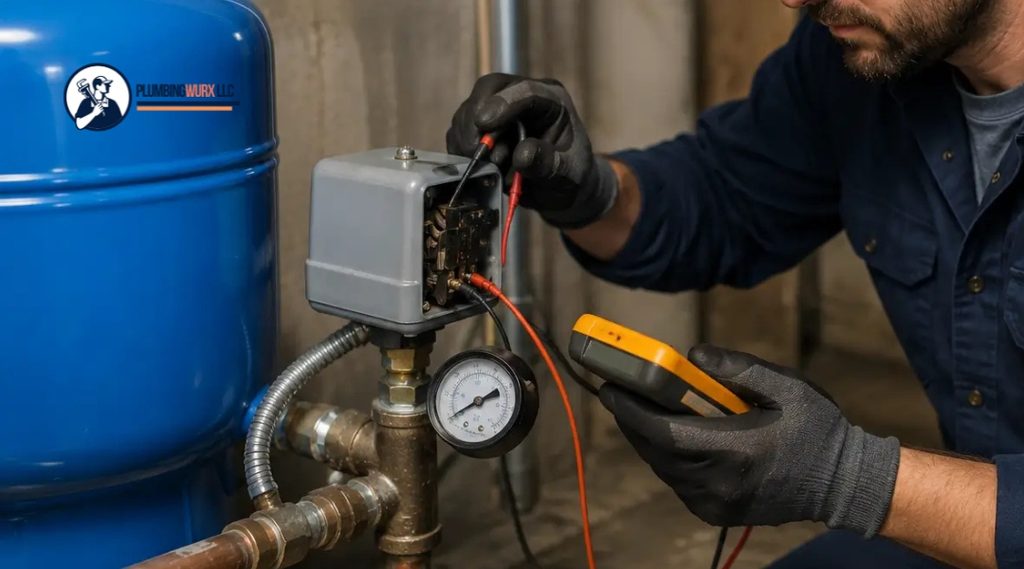
- Pressure Switch: Monitors system pressure and signals the pump to start or stop based on water usage.
Because these parts work as an integrated system, what feels like a pump failure might simply be a faulty switch or a water-logged pressure tank. A professional inspection ensures you only pay to fix what is actually broken.
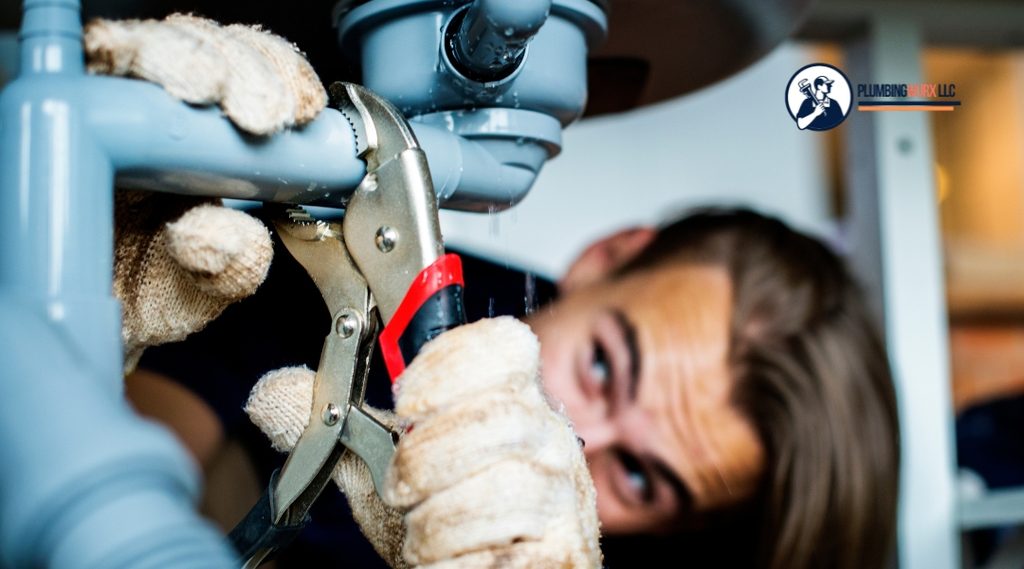
Signs Your Well Pump Needs Professional Attention
Changes in your daily water supply are often the first warning signs of an underlying issue:
- Low or Fluctuating Water Pressure: Weaker flow or water pressure that surges and drops while in use.
- Complete Loss of Water: A pump or control component that has failed completely.
- Pump Runs Constantly: A system struggling to build enough pressure to trigger the cut-off switch.
- Frequent Cycling: The pump rapidly turns on and off, placing severe strain on the motor.
- Unusual Noises: Clicking, grinding, humming, or rattling coming from the pump or pressure tank.
- Sputtering Faucets: Pockets of air coming through your pipes, pointing to suction or well line issues.
- Spike in Electric Bills: An inefficient or constantly running pump motor consumes excessive energy.
Repair vs. Replacement: How to Choose
When Can a Well Pump Be Repaired?
Repair is usually the most practical choice when the pump motor itself is in good condition, and the issue is isolated to a replaceable part.
A repair is likely the right choice if:
- The problem is caused by a faulty pressure switch, a failed control box, a worn check valve, or a bad capacitor.
- The pump is relatively young (under 7 to 10 years old) with no prior history of major breakdowns.
- The system was performing efficiently before the sudden minor failure.
When is Well Pump Replacement the Better Option?
Replacing the system offers far greater long-term value when an old pump breaks down, suffers motor failure, or can no longer keep up with daily demands.
Replacement is typically recommended if:
- Age: The pump is approaching or past its expected lifespan (10 to 15 years for submersible pumps, 7 to 10 years for jet pumps).
- Recurring Repairs: You are spending money repeatedly on service calls for an aging unit.
- Internal Failure: Key internal components, such as the motor or impeller, have seized up.
- Increased Water Demands: Your family or property has grown, making the existing pump undersized.
What Affects Well Pump Repair and Replacement Costs?
Key factors that influence overall service costs include:
- Type of Pump: Submersible pumps require specialized equipment to hoist out of deep wells, making labor more involved than above-ground jet pumps.
- Well Depth: Deeper wells require heavy-duty pumps, longer electrical wiring, and specialized piping.
- System Upgrades: Replacing aged pressure tanks, wiring, or check valves alongside the pump prevents premature failure of your new unit.
Diagnosing the exact issue first prevents you from replacing a functional, high-value pump when a simple switch replacement is all that is required.
Preventative Well Pump Maintenance
Routine inspections keep your water flowing smoothly and protect your investment. During a professional check-up, a plumber will:
- Test water pressure and cycle frequency.
- Inspect the pressure tank bladder and switch contacts.
- Check electrical connections and motor amp draw.
- Inspect visible piping and check valves for minor leaks or corrosion.
Catching minor electrical or pressure imbalances early prevents unexpected shutdowns and extends the overall life of your pump.
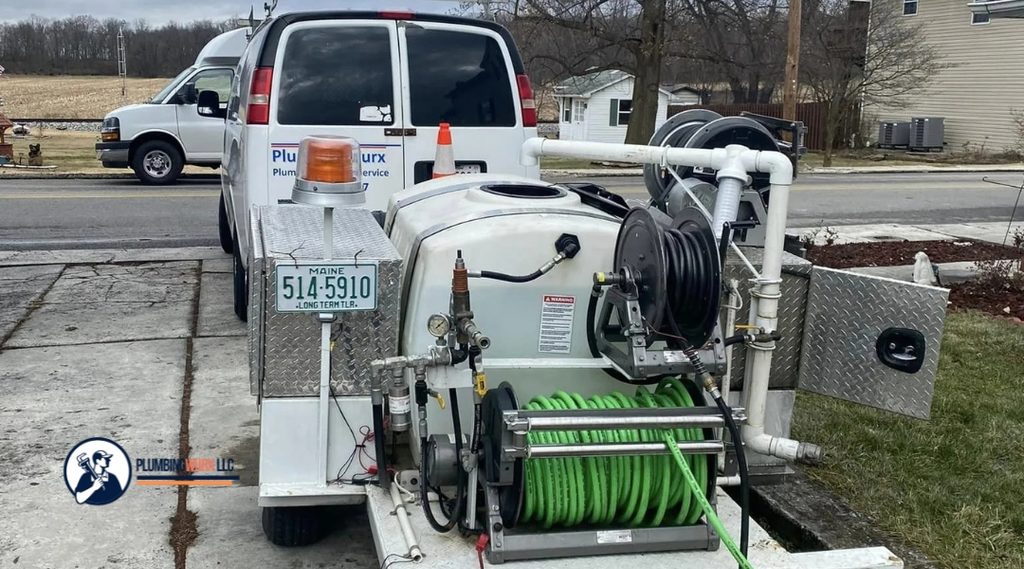
Trust PlumbingWurx for Honest Well System Care!
If your well system is sputtering, losing pressure, or failing to turn on, let local experts give you a clear, honest assessment.
At PlumbingWurx, we are a family-owned business dedicated to providing top-notch craftsmanship and dependable customer service. We will inspect your entire well system, explain whether a repair or replacement makes the most sense, and provide straightforward options tailored to your home and budget.





0 Comments