

A sump pump may not be something you think about every day, but when heavy rain hits, it can play an important role in keeping water out of your basement. Like any hardworking piece of equipment, however, your sump pump needs regular attention to stay reliable.
Routine sump pump maintenance can help prevent unexpected failures, reduce the risk of costly water damage, and extend the life of your system. From testing the pump to checking the discharge line, a few preventative steps can make a big difference when the next storm arrives.
Here are five important ways to help keep your sump pump working properly and your basement protected from flooding.
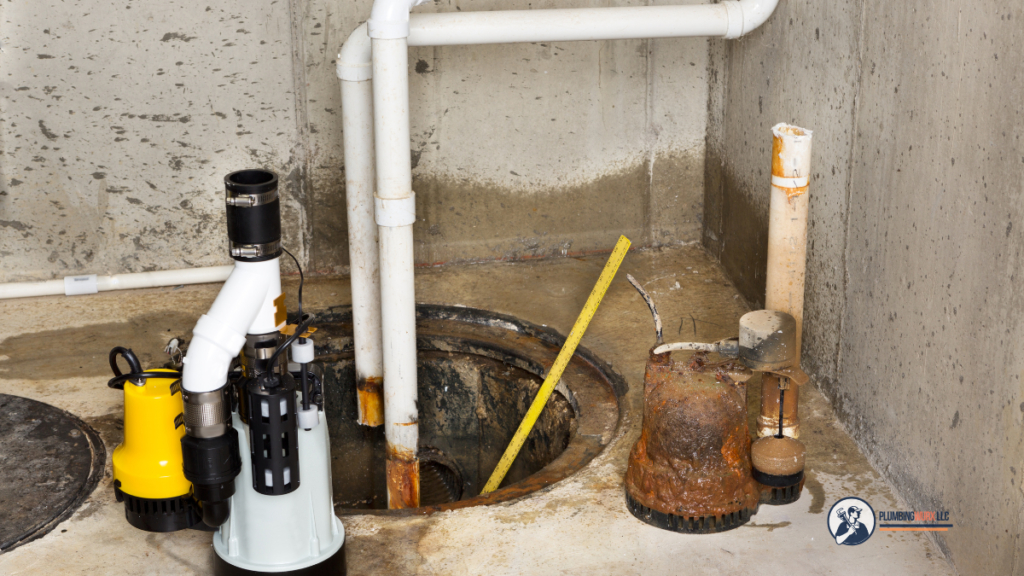
Why Regular Sump Pump Maintenance Is So Important
Your sump pump is one of the most important safeguards against water damage in your basement. Because it often sits quietly until heavy rain or rising groundwater puts it to work, problems can go unnoticed until you need the pump most. Regular maintenance helps ensure the system is ready to protect your home when wet weather arrives.
Prevent Basement Flooding
A sump pump removes excess water from the sump pit before it can rise into your basement. If the pump is clogged, stuck, or not operating correctly, water can quickly build up during heavy rainfall. Routine inspections and testing can identify problems before they result in flooding, water damage, mold growth, or damaged belongings.
Extend Your Sump Pump’s Lifespan
Dirt, sediment, and debris can make your sump pump work harder than necessary and contribute to premature wear. Keeping the pit and pump clean and making sure all components are working properly can reduce unnecessary strain on the system and help extend its useful life.
Reduce the Risk of Emergency Repairs
A failed sump pump during a storm can quickly become a plumbing emergency. Regular maintenance gives you an opportunity to catch worn components, blockages, electrical issues, and other developing problems early. Addressing these concerns ahead of time is usually far less stressful than dealing with a flooded basement during severe weather.
Improve Reliability During Storms
Heavy rain is exactly when your sump pump needs to perform at its best. Regular testing and maintenance help ensure the float switch activates properly, water can flow freely through the discharge line, and the pump starts when the water level rises. A well-maintained system gives you greater confidence when a major storm is in the forecast.
5 Maintenance Tasks Every Homeowner Should Know
While some sump pump maintenance can be handled by homeowners, a professional inspection is still recommended to identify problems that may not be immediately visible.
1. Test the Sump Pump Regularly
Periodically testing your sump pump is one of the easiest ways to make sure it is operational. Slowly pour water into the sump pit until the water level rises enough to activate the float switch. The pump should turn on, remove the water, and shut off automatically.
While it runs, listen for grinding, rattling, or other unusual noises. These sounds can indicate worn or damaged components that should be inspected by a professional.
2. Keep the Sump Pit and Pump Clean
Dirt, gravel, sediment, and other debris can collect inside the sump pit over time. This buildup may interfere with the pump or float switch and reduce the system’s efficiency.
Check the pit periodically and remove visible debris that could obstruct the pump. Keeping the sump pump cover clean and properly positioned can also help prevent additional dirt and objects from entering the pit.
3. Check the Float Switch
The float switch tells your sump pump when it is time to turn on. If it becomes stuck or obstructed, the water level may continue rising without activating the pump.
Make sure the float can move freely and is not catching on the pump, pit wall, power cord, or other objects. Testing the pump with water is also a simple way to confirm that the float switch is triggering the system correctly.
4. Inspect the Discharge Line and Check Valve
Your discharge line carries water away from your basement, so it needs to remain clear and properly connected. Inspect the visible portion of the line for leaks, damage, clogs, or obstructions and make sure the outlet outside your home is clear of leaves, dirt, and other debris.
The system’s check valve, sometimes called a one-way valve, should also be inspected. This component helps prevent discharged water from flowing back into the sump pit after the pump shuts off. A faulty check valve can force the pump to run more frequently and put additional strain on the system.
5. Schedule Annual Professional Sump Pump Maintenance
Homeowner checks are useful, but they do not replace a thorough professional inspection. During annual sump pump maintenance, a plumber can inspect the pump and its components, check electrical connections, test the float switch and check valve, examine the discharge system, and look for signs of wear or developing problems.
Professional maintenance can help catch small issues before they lead to sump pump failure, giving you greater confidence that your system will be ready when the next heavy rain arrives.
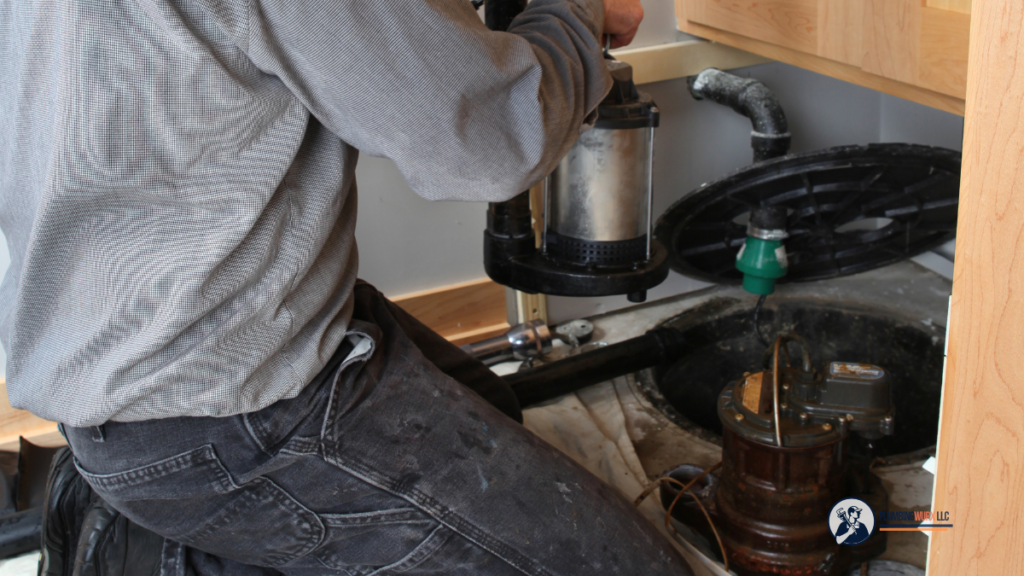
Signs Your Sump Pump May Need Repair or Replacement
Sump pumps do not last forever, and recognizing the early signs of a problem can help you address it before your basement is at risk. Some issues may only require a simple repair, while an older or frequently malfunctioning pump may be better suited for replacement.
Watch for signs such as:
- Unusual noises: Grinding, rattling, or excessive vibration can indicate worn or damaged internal components.
- Frequent cycling: A pump that repeatedly turns on and off may have a float switch problem, incorrect sizing, or another mechanical issue.
- Running continuously: If the pump does not shut off when the water level drops, the float switch or another component may not be functioning correctly.
- Failure to activate: A pump that does not start as water rises needs immediate attention.
- Visible rust or corrosion: Significant deterioration can affect performance and reliability.
- Reduced pumping performance: Water that drains unusually slowly or remains in the pit could indicate a blockage, worn pump, or discharge problem.
- Increasing age: If your sump pump is getting older or has required several repairs, replacing it proactively may provide better protection than waiting for it to fail.
When to Call a Professional Plumber
Basic tasks such as checking for visible debris and periodically testing your sump pump can be handled by many homeowners. However, electrical problems, recurring failures, unusual noises, discharge issues, and mechanical repairs are best evaluated by a professional plumber.
You should also consider professional service if you are unsure whether your current sump pump is properly sized for your home, want to install a battery backup system, or have experienced previous basement flooding.
An annual professional inspection is a good preventative measure even when your sump pump appears to be working normally. A plumber can test the complete system, identify developing problems, and recommend repairs or replacement when necessary. Taking care of these issues before the next major storm can help ensure your sump pump is ready to protect your basement when it matters most.



0 Comments