
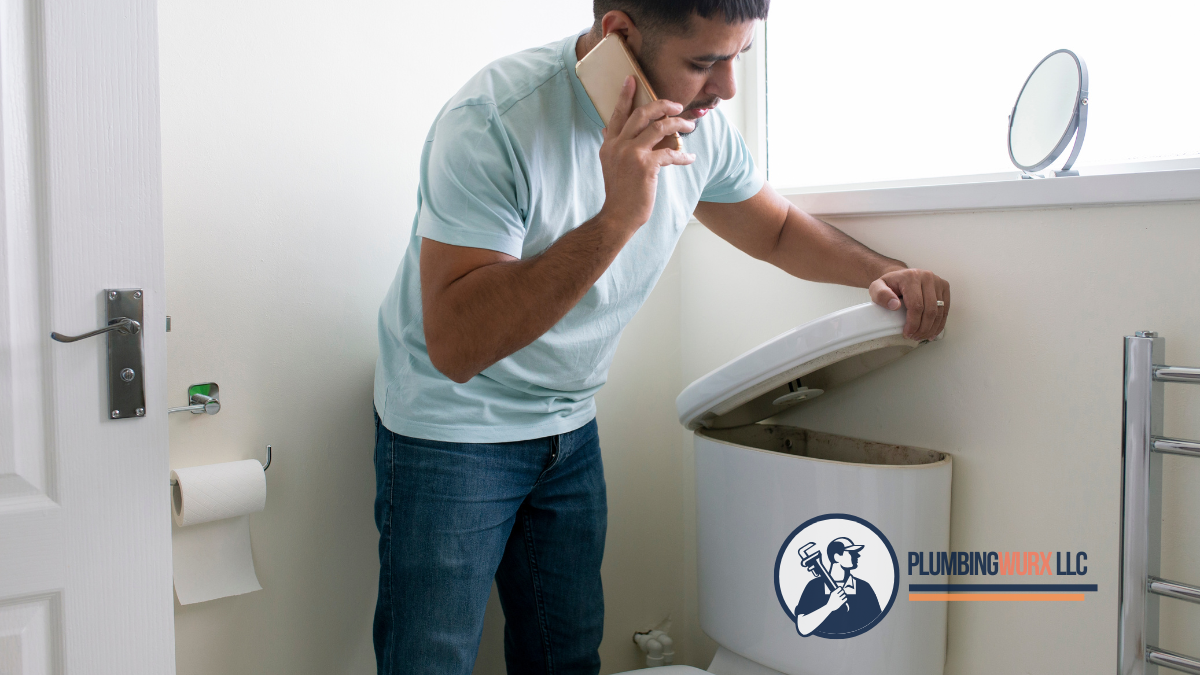
A clogged toilet bowl can turn an ordinary day into a stressful one fast. Whether the water is rising, the flush is weak, or nothing is moving at all, knowing what to do in those first few minutes can make all the difference. The good news is that most clogs can be handled safely and effectively with a few simple steps, as long as you approach them the right way.
In this guide, we’ll walk you through how to fix a clogged toilet bowl without causing damage, when DIY methods work, and the red flags that mean it’s time to bring in a professional. With the right approach, you can clear the blockage quickly and prevent it from becoming a larger plumbing issue. And if you need backup, PlumbingWurx is always here to help Hagerstown homeowners restore flow fast.
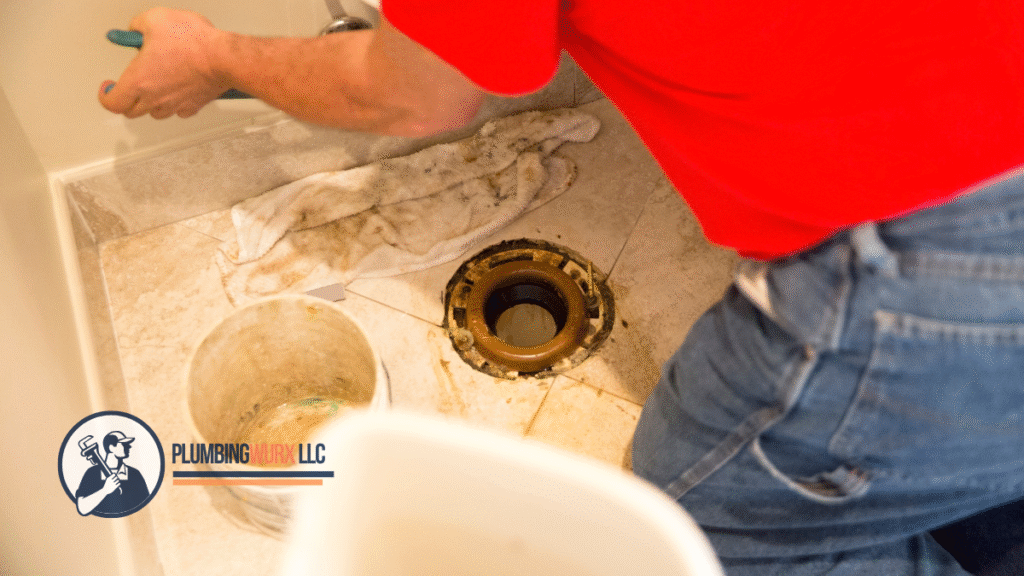
What Causes a Toilet Bowl to Clog?
A clogged toilet bowl usually comes down to a handful of common issues, but understanding why it happens is the key to fixing it the right way. Most household clogs start with improper flushing items like wipes, tissues, cotton pads, or too much toilet paper can quickly block the trapway. In other cases, mineral buildup, older low-flow toilets, or objects accidentally dropped into the bowl (kids’ toys are a classic!) can restrict water flow.
Deeper in the plumbing system, problems like partial drain line blockages, tree root intrusion, or poor venting can cause recurring slow flushes that mimic a simple clog. If your toilet often bubbles, gurgles, or backs up when other fixtures run, the issue may lie farther down the line. Knowing the underlying cause helps you choose the safest and most effective fix and prevents repeated problems later.
How to Fix a Clogged Toilet Bowl the Right Way
When a toilet clogs, the safest first step is to stop the situation from getting worse is not to reach for harsh chemicals or start forcing tools into the bowl. Avoid chemical drain cleaners, do not keep flushing to “force it through,” and skip aggressive plunging or DIY augers that can crack porcelain, damage seals, or push the blockage deeper into the line.
If the water is rising, shut off the supply valve behind the toilet, keep family members away from the area, and watch for signs that the problem may be in the main line, such as gurgling drains, sewage smells, or backups in other fixtures. At that point, the smartest and most cost‑effective move is to call a professional plumber who can clear the clog safely, inspect for deeper drain or sewer issues, and protect your home from water damage and recurring blockages.
Why DIY Toilet Unclogging Is Risky
- Excess force with plungers or augers may crack porcelain, which means a pricey toilet replacement.
- Chemical drain cleaners often corrode pipes and harm septic systems; those “quick fixes” can create big expenses later.
- DIY tricks rarely address real causes, tree roots, deep pipe buildup, or venting problems, resulting in recurring clogs and unseen damage.
- Overflow water seeps into floors and walls, triggering mold and long-term costs.
- DIY unclogging exposes you to raw sewage, germs, and odors, putting the whole family at risk.
- Incomplete fixes may allow lingering bacteria and persistent smells.
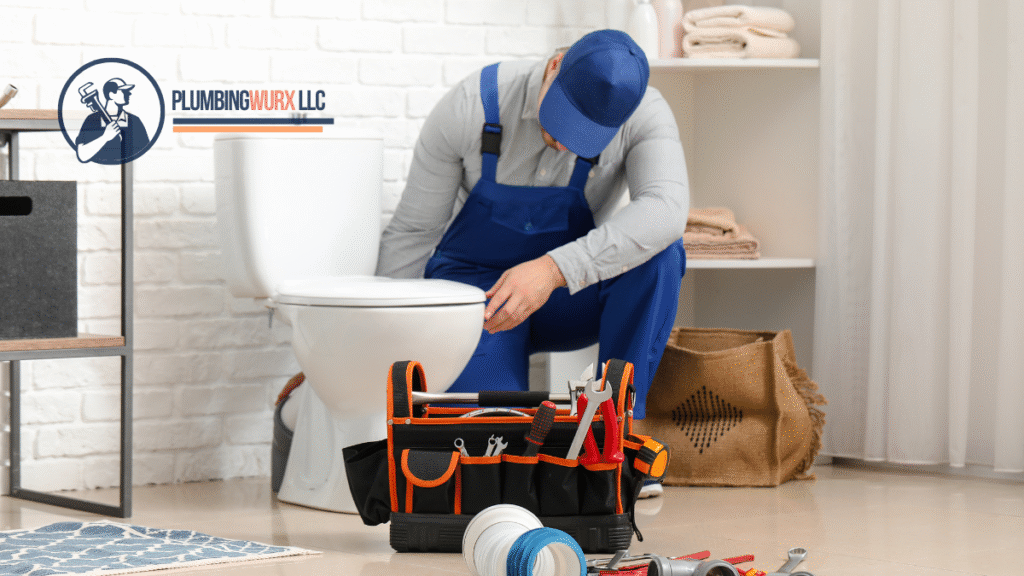
When to Call a Professional Plumber
You should bring in a licensed plumber when:
- The toilet overflows repeatedly
- Water backs up into nearby drains (like the shower or sink) when you flush
- The clog comes back often, suggesting a deeper blockage in the drain line
- You suspect an item was flushed that can’t be dissolved (wipes, toys, feminine products)
- You hear bubbling or gurgling sounds from the toilet or tub
- Multiple fixtures drain slowly, which can indicate a main line problem
- You’ve tried plunging or an auger and the blockage isn’t budging
- There’s foul odor, sewage backup, or signs of leaking at the base of the toilet
These symptoms usually mean the problem lies beyond the toilet itself, inside the drain line, the vent system, or even the sewer connection. That’s where a trained professional is essential.
PlumbingWurx technicians use safe, non-damaging tools and diagnostic equipment to find the true cause of the clog and restore full flow without guesswork or risk.
Recent Customer Experiences
“Excellent job cleaning clogged drain pipe. Very thorough and timely arrival. Would recommend highly.” – Jeff B.
“Knowledgeable and easy to work with. definitely recommend them!” – Diane T.
How to Prevent Toilet Clogs in the Future
Preventing toilet clogs is all about consistency small daily habits dramatically reduce the chances of blockages, backups, and emergency calls. Most clogs happen because something went down the drain that shouldn’t have, or because minor buildup inside the pipes was ignored for too long. With a little awareness and routine care, you can keep your toilet flushing smoothly and avoid costly repairs.
What Should and Shouldn’t Go Down the Toilet
Your toilet is designed to handle only two things: human waste and toilet paper. Anything else, even items labeled “flushable,” can cause blockages.
Avoid flushing:
- Wipes (even “flushable” ones)
- Paper towels and tissues
- Feminine hygiene products
- Cotton pads or swabs
- Dental floss
- Cat litter
- Excessive amounts of toilet paper
These items don’t break down properly and often get trapped in the toilet’s trapway or deeper in the drain line. Sticking to the essentials is the simplest way to prevent clogs from forming.
Simple Habits That Keep Your Toilet Running Smoothly
Small habits make a big difference in how well your toilet performs. Encourage family members to be mindful about what they flush, and teach kids not to drop toys or objects into the bowl. Use moderate amounts of toilet paper and flush twice if needed rather than overwhelming the toilet in one go.
Check the tank and handle occasionally to ensure the flush mechanism works properly weak or incomplete flushing often leads to repeated clogs. If you live in an area with hard water, consider descaling the toilet or installing a softener to prevent mineral buildup inside the trapway.
How Regular Maintenance Protects Your Plumbing
Routine plumbing maintenance is one of the best defenses against persistent or recurring toilet clogs. Over time, small amounts of buildup, soap scum, hair from nearby drains, and even tree roots can slowly narrow the drain line. Annual checkups from a professional plumber help identify early signs of trouble before they turn into full blockages.
A PlumbingWurx technician can inspect your toilet, clear minor buildup, check your home’s venting system, and make sure deeper parts of your drain line are flowing properly. Regular maintenance keeps your toilet performing efficiently, prevents surprise backups, and extends the life of your plumbing system.
PlumbingWurx Quickly Restores Your Toilet and Drain Line!
Partnering with PlumbingWurx for routine service means fewer emergencies, longer-lasting pipes, and a home that stays worry-free from clogs.
Contact us today at (301) 264-7577 or visit us at 1044 Virginia Ave, Hagerstown, MD 21740.
We’re a family-owned business and pride ourselves on our quality craft and top-notch customer service!
0 Comments